The Role of Unicorns in Family Traditions
June 25, 2026
Unicorns are defined as enduring symbols of magic, purity, and protection that have shaped family traditions across centuries. The role of unicorns in family traditions runs deeper than birthday party decorations or children's backpacks. From medieval heraldry to modern holiday rituals, unicorn symbolism carries real meaning for families who want to pass on values like courage, grace, and wonder. Whether you are planning a unicorn-themed celebration or simply curious about why these mythical creatures feel so personal, the history and emotional power behind them are worth knowing.
What role do unicorns play in family traditions?
Unicorns have served as symbols of family identity and moral values since the Middle Ages. They were not just fairy tale creatures. They were deliberate choices made by families who wanted to communicate who they were and what they stood for.
Unicorns in medieval heraldry represented strength tempered by grace, a combination that noble families considered the highest form of character. A unicorn on a family crest told the world that this household valued honor, not just power. That message carried across generations.
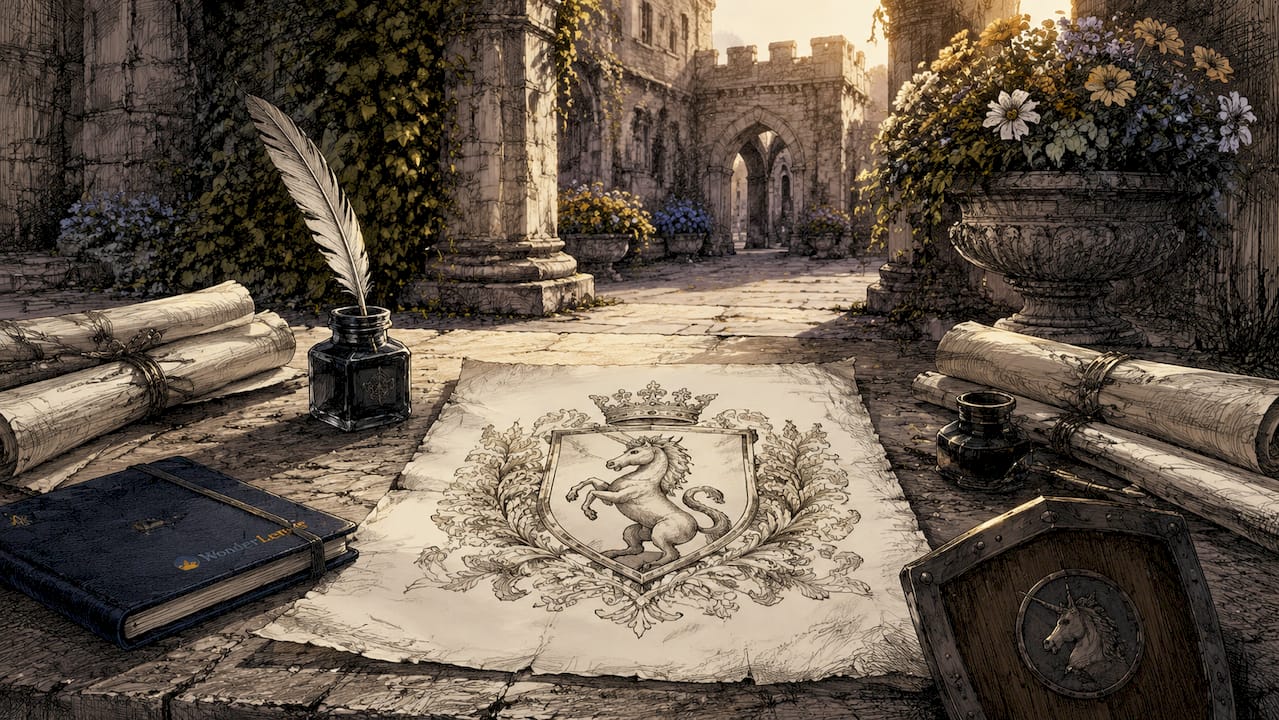
The spiritual dimension ran just as deep. Noble families sought unicorn horn artifacts as supernatural safeguards, and unicorn imagery in devotional settings served as a symbol of protection and miracles in pre-modern family life. Families placed these symbols in their homes the same way modern parents hang meaningful art: to create a feeling of safety and intention.
How unicorn heraldry shaped family identity
The table below shows how heraldic unicorn traits mapped directly onto the values families wanted to project and preserve.
| Heraldic trait | Family value it represented |
|---|---|
| White coat | Purity and moral integrity |
| Spiral horn | Spiritual protection and truth |
| Untameable nature | Independence and resilience |
| Chained posture | Strength under discipline |
| Rearing stance | Courage and readiness |
These were not decorative choices. Families selected each element with intention. The unicorn's combination of wildness and grace made it uniquely suited to represent the balance most families aspire to: strong enough to protect, gentle enough to nurture.
- Unicorns appeared in medieval tapestries and royal heraldry as symbols of courtly love and noble power.
- Family crests featuring unicorns communicated moral character to neighbors, allies, and rivals alike.
- The symbolism stressed that true strength is guided by virtue, not just force.
That framework still resonates. When a parent chooses a unicorn motif for a child's room or birthday, they are often reaching for the same idea without realizing it.
How do unicorns function in modern family life and children's media?
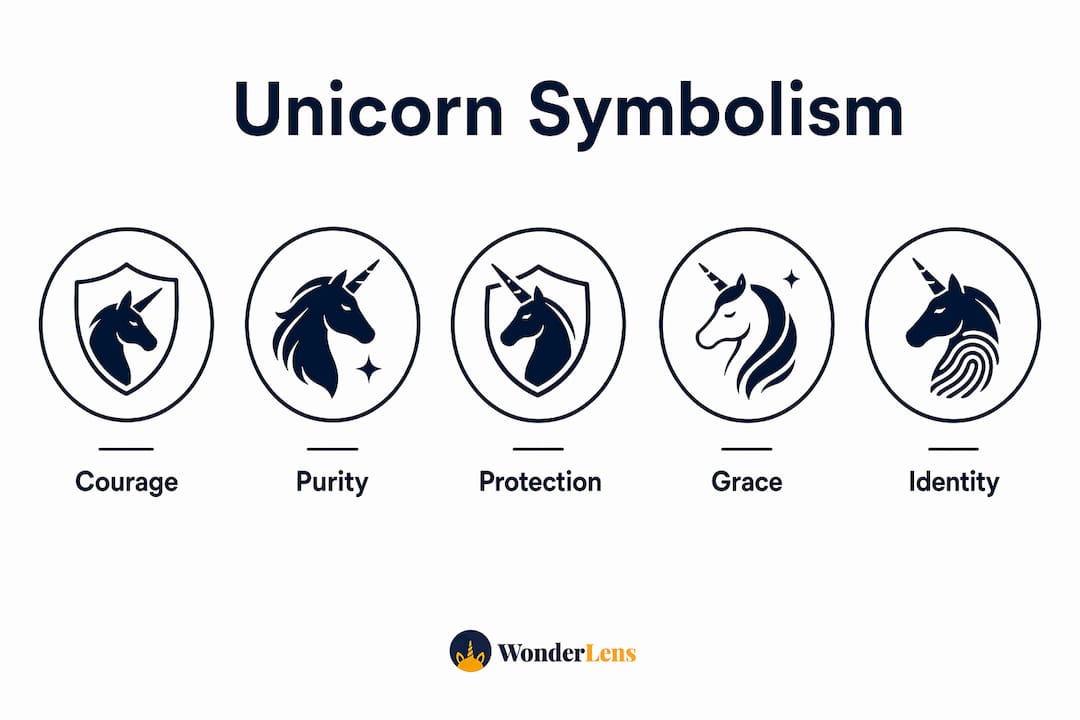
Unicorns remain one of the most persistent motifs in children's media and family culture today. The reason is not nostalgia. It is that unicorns carry emotional weight that other fantasy creatures do not.
Modern unicorn characters in children's media explore complex themes like friendship, identity, and gender representation. Shows like Unicorn Academy give families a shared story to talk about, one that opens conversations about inclusion and self-expression. Parents find these characters genuinely useful for teaching values, not just entertaining kids.
The visual language of unicorns has also evolved. Rainbow-coded unicorn imagery and emojis now allow families to celebrate diversity and individual pride in everyday life. That shift from heraldic symbol to personal celebration icon shows how adaptable unicorn symbolism is. It bends to fit what each family needs it to mean.
The transition from ancient unicorn symbolism to kawaii (cute) aesthetics reflects how families adapt legendary creatures to celebrate individuality and joy in ways that feel uniquely their own. A unicorn on a lunchbox and a unicorn on a medieval coat of arms are separated by centuries, but they share the same core message: you are special, and magic is real.
- Unicorn-themed accessories and media give children a sense of comfort and magical possibility.
- Families use unicorn-themed media to create rituals around storytelling and imagination.
- Rainbow unicorn imagery lets families celebrate each child's individuality in a visible, joyful way.
Pro Tip: Pick one unicorn story or show to watch together as a family ritual before a holiday. The shared reference point gives kids something to look forward to and gives you a natural way to talk about values like kindness and courage.
How can parents incorporate unicorn symbolism into family holidays?
Unicorn symbolism works best in family traditions when it is tied to a specific feeling or value you want to create. Decoration alone is not enough. The magic comes from intention.
Here are practical ways to weave unicorn motifs into your family's celebrations and rituals:
- Create a unicorn-themed storytelling night. Read a unicorn folktale or watch a unicorn-centered episode together before a holiday. Frame it as the night the magic arrives. Kids will start anticipating it weeks in advance.
- Use unicorn imagery to mark milestones. A unicorn-themed birthday signals that this child is rare and extraordinary. Tie the imagery to a specific message you say out loud every year, like "You are brave, kind, and one of a kind."
- Build a unicorn decoration ritual. Let children place unicorn ornaments or figures as part of holiday setup. The act of placing the symbol becomes the tradition, not just the symbol itself.
- Incorporate unicorn colors into seasonal celebrations. Rainbow and iridescent colors work beautifully for spring holidays. Gold and white fit winter celebrations. Matching the palette to the season makes the symbolism feel intentional.
- Create a "unicorn visit" moment. Unicorn-themed holiday rituals foster joy, togetherness, and magical anticipation in children. A video or visual "visit" from a unicorn character can anchor the whole celebration.
Pro Tip: Tie your unicorn tradition to a specific phrase or song your family repeats each year. Repetition is what turns a fun moment into a real tradition. Kids remember the ritual, not just the decoration.
Adapting unicorn symbolism to your family's values makes it personal. A family that values courage might emphasize the unicorn's untameable spirit. A family that values kindness might focus on its gentle nature. The symbol is flexible enough to carry whatever meaning matters most to you.
What deeper emotional benefits do unicorns bring to family life?
Unicorns function as emotional guardians in family spaces, and that function is not accidental. Unicorn-themed decor creates spaces that feel emotionally safe and inspire dreams. Families who place unicorn imagery in children's bedrooms are echoing the same protective symbolism that noble families used centuries ago, often without realizing it.
The psychological effect is real. A child who grows up with a consistent family symbol, whether it is a unicorn crest, a recurring holiday character, or a beloved stuffed animal, develops a stronger sense of family identity. That identity becomes a source of resilience. It tells the child: our family has a story, and you belong to it.
"Unicorns' elusive magic attracts families because it suggests that magic exists without being forced, inviting emotional connection." This quality is what separates unicorn symbolism from other fantasy motifs. It does not demand belief. It simply creates space for wonder.
Unicorn symbolism also opens conversations that might otherwise feel difficult. Talking about a unicorn's courage is an easy way to talk about your child's courage. Talking about a unicorn's uniqueness is a natural way to affirm your child's individuality. The symbol does the emotional heavy lifting so the conversation feels light.
The role of fantasy characters in family customs is well established. Unicorns sit at the top of that category because they combine aspiration with accessibility. Every child can imagine a unicorn. Not every child can imagine a dragon or a warrior. Unicorns feel safe and magical at the same time, which is exactly what families want their traditions to feel like.
Key Takeaways
Unicorn symbolism strengthens family traditions by connecting historical values like courage and purity to modern rituals that foster joy, identity, and emotional security in children.
| Point | Details |
|---|---|
| Historical roots run deep | Unicorns appeared in medieval heraldry to communicate family honor, courage, and moral integrity across generations. |
| Modern media extends the meaning | Children's shows and rainbow unicorn imagery help families discuss friendship, diversity, and individuality in everyday life. |
| Rituals need intention | Tying unicorn motifs to specific phrases, milestones, or holiday moments transforms decoration into lasting tradition. |
| Emotional protection is real | Unicorn-themed spaces create feelings of safety and belonging that strengthen a child's sense of family identity. |
| Symbolism adapts to your values | Families can shape unicorn meaning around courage, kindness, or wonder, making it personal rather than generic. |
Why unicorns keep earning their place in family life
I have spent years watching families search for symbols that carry real weight without feeling heavy. Unicorns keep winning that search, and I think the reason is structural, not sentimental.
Most family symbols demand a specific belief system or cultural background. Unicorns do not. They sit at the intersection of strength and gentleness in a way that almost every family can claim. A parent who values toughness sees the untameable spirit. A parent who values tenderness sees the grace. The symbol holds both without contradiction.
What strikes me most is the elusiveness factor. Unicorns are never fully caught or explained. That open-endedness is a feature, not a flaw. It means children get to fill in the meaning themselves, which makes the symbol genuinely theirs. I have seen kids who are five years into a unicorn tradition start explaining to younger siblings what the unicorn "means" in their family. That transfer of meaning is exactly what traditions are supposed to do.
The families I find most inspiring are the ones who take the symbolism seriously without taking it literally. They use unicorn imagery as a container for values they actually want to pass on. The decoration is just the delivery mechanism. The real gift is the story underneath it.
— Jeremiha
Wonderlens brings unicorn magic into your home
Knowing the history and meaning behind unicorn symbolism is one thing. Watching a realistic unicorn appear in your living room is something else entirely.
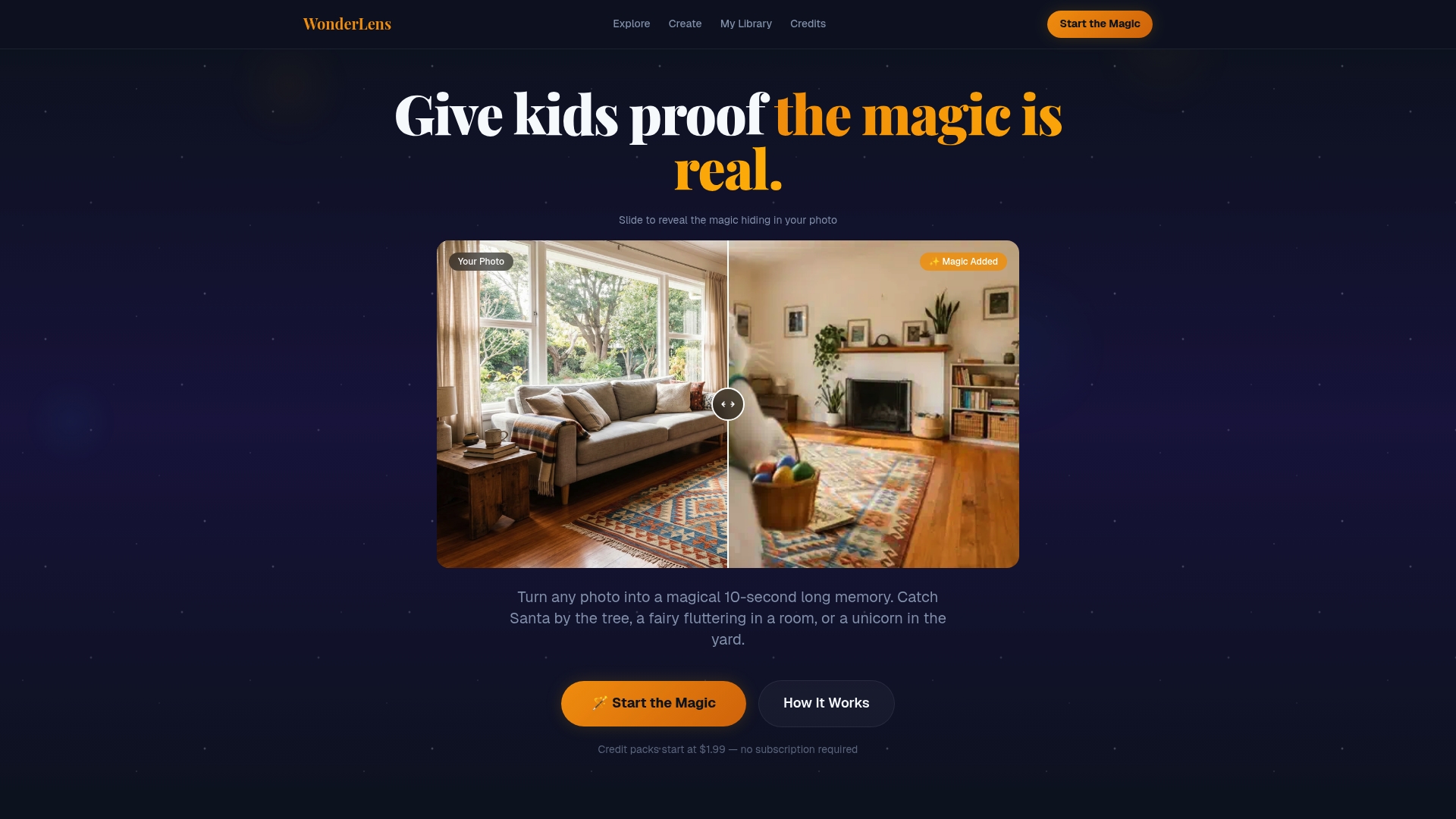
Wonderlens uses AI-driven visual rendering to place cinematic-quality unicorn characters directly into your home environment, complete with accurate lighting, shadows, and movement. The result is a 10-second video your child will want to watch on repeat. You can bring a unicorn home for your next holiday or birthday with credits starting at $1.99. For more ways to build lasting magical traditions around fantasy characters, Wonderlens has you covered.
FAQ
What is the historical significance of unicorns in family traditions?
Unicorns appeared in medieval European heraldry as symbols of virtue, courage, purity, and resilience. Noble families used unicorn emblems on crests and tapestries to communicate their moral character and family values across generations.
How do unicorns support children's emotional development?
Unicorn-themed spaces and stories create feelings of safety, belonging, and wonder that strengthen a child's sense of identity. Families use unicorn symbolism to open conversations about courage, kindness, and individuality in ways that feel natural and joyful.
Why are unicorns so popular in children's media today?
Modern unicorn characters explore themes like friendship, diversity, and self-expression, giving families a shared story to discuss together. The rainbow imagery associated with unicorns also lets children celebrate their individuality in a visible, affirming way.
How can I start a unicorn-themed family tradition?
Tie a unicorn motif to a specific holiday moment, phrase, or milestone your family repeats each year. Repetition is what turns a fun activity into a real tradition that children carry into adulthood.
What values does unicorn symbolism represent for families?
Unicorn symbolism combines strength, grace, purity, and resilience, making it adaptable to almost any family's core values. Families can emphasize whichever quality resonates most, from courage and independence to kindness and wonder.