Why Choose Cinematic Home Videos for Family Memories
July 20, 2026

Cinematic home videos turn ordinary family moments into emotionally rich stories you will actually want to watch again and again. Unlike a shaky phone clip recorded in the moment, a cinematic approach uses intentional lighting, sound design, color grading, and editing to shape how a memory feels, not just what it shows. The result is footage that pulls you back in years later, the way a favorite film does. Here is why families are choosing this style over basic recording in 2026:
- Cinematic videos create genuine emotional connection through storytelling, not just documentation
- Artistic techniques like lighting and sound design deepen memory preservation
- Viewers engage far more deeply with visually crafted footage than with raw clips
- The replay value is higher because the story holds up over time
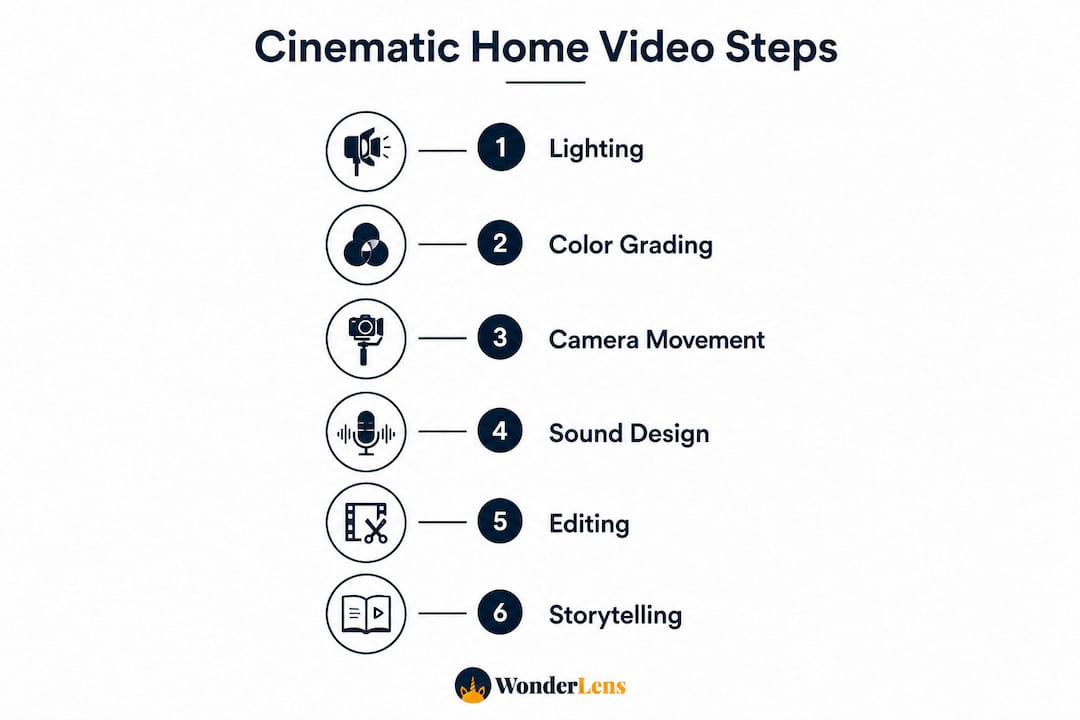
1. Intentional lighting sets the mood instantly
Lighting is the fastest way to signal emotion in a video. A warm, golden glow during a birthday dinner feels intimate and celebratory. Cooler, softer light during a quiet bedtime story feels tender and still. Cinematic videography treats light the way a painter treats a brush: as a tool for shaping how a scene feels, not just how it looks. You do not need expensive fixtures to do this. A window, a lamp angled thoughtfully, or even a string of holiday lights can sculpt a shot beautifully.
2. Color grading creates a consistent emotional tone
Color grading is what gives a video its visual "feel." Warm tones suggest intimacy and closeness, while cooler tones can evoke reflection or calm. Applied consistently across a video, color psychology turns a collection of clips into a unified story with a recognizable emotional register. Even subtle shifts in hue and contrast change how a viewer responds to a scene.

3. Deliberate camera movement guides the viewer's eye
Every camera move in a cinematic video has a reason. A slow push toward a child's face during a surprise moment creates intimacy. A wide, sweeping shot of a backyard gathering gives a sense of scale and joy. Unmotivated movement distracts; purposeful movement immerses. Handheld shooting, done with intention, can also add emotional authenticity, making footage feel lived-in rather than sterile.
4. Sound design makes footage feel alive
Sound is the element most home video creators overlook, and it is often the one that matters most. Sound design is about presence, not loudness. The crinkle of wrapping paper, the laughter echoing in a hallway, the soft crackle of a fireplace: these environmental sounds pull the viewer into the scene. Poor audio breaks immersion immediately, even when the visuals are polished.
Pro Tip: Record a few seconds of "room tone" in every space you film. That ambient background sound fills gaps in editing and makes your final video feel continuous and real.
5. Editing shapes the emotional arc
Editing is where a cinematic home video comes to life as a story. The order of clips, the pacing of cuts, and the rhythm of transitions all determine how a viewer feels from beginning to end. Cinematic editing builds toward emotional peaks and lets quiet moments breathe. Basic home videos often skip this entirely, resulting in footage that plays chronologically but never builds to anything.
6. Storytelling gives the video a reason to exist
The most powerful cinematic home videos are built around a narrative arc, even a simple one. A child's first day of school, a family holiday gathering, a grandparent teaching a grandchild to bake: each of these has a beginning, a middle, and an emotional payoff. Cinematic video at 24 frames per second carries a dreamlike, film-like quality that audiences associate with intentional storytelling, and that quality signals to the viewer that what they are watching was made with care.
How cinematic home videos differ from basic recordings
The gap between a cinematic home video and a standard phone recording is not really about equipment. It is about intent.
Basic home videos are reactive. You pull out your phone when something is happening and hit record. The result captures the moment but rarely communicates how it felt. There is no planned lighting, no thought given to framing, and post-production usually means trimming the clip and adding a filter.
Cinematic home videos are planned. Shots are composed before recording starts. Lighting is adjusted. The story is considered in advance, so the footage gathered actually supports a narrative. Post-production includes color grading, audio mixing, and deliberate editing choices.
- Purpose: Story-first vs. moment-capture
- Shot planning: Intentional framing vs. reactive recording
- Lighting: Sculpted for mood vs. whatever is available
- Post-production: Color grade and audio mix vs. basic trimming
- Viewer reaction: "I felt something" vs. "I remember that"
The emotional difference is real. A well-crafted family video invites you to sit down and watch it fully. A raw phone clip gets scrolled past.
When investing in cinematic style pays off most
Not every video needs cinematic treatment. A quick clip of the dog doing something funny? Just hit record. But certain moments genuinely deserve the extra care.
Cinematic style pays off most for:
- Major milestones: First birthdays, graduations, holiday traditions, family reunions
- Keepsakes meant to last: Videos you want to share with children when they are grown
- Emotionally significant events: Moments tied to people, places, or seasons that will not come back
It is worth skipping for fast-turnaround documentation, casual day-to-day clips, or situations where raw authenticity matters more than polish. The decision comes down to replay value. If you want to watch it ten years from now and feel something, cinematic techniques are worth the effort. The long-term benefits of this approach include stronger memory retention and a deeper emotional connection to the moments you have captured.
What research says about cinematic storytelling and memory
The evidence for choosing cinematic video over text or basic recording is striking. Viewers retain substantially more information from video content compared to text, enhancing memory strength. That gap directly affects how well a memory sticks.
Engagement follows the same pattern. Cinematic videos drive 3x more engagement than standard recordings, and viewers spend 88% more time on pages featuring quality video. For family memories, that engagement translates directly: the more a video draws you in, the more it becomes part of how you remember the moment itself.
Sound design plays a specific role in this. Authentic environmental audio, the kind that places you inside a scene rather than observing it from outside, creates the immersive quality that makes footage feel alive rather than archived. Visual rhythm and pacing work alongside sound to hold attention and build emotional resonance.
Pro Tip: Layer in natural sounds during editing: the ambient noise of a room, soft background music that matches the mood, or the actual voices of family members just out of frame. These details are what make a video feel like a memory, not a recording.
How Wonderlens brings cinematic magic into family homes
Wonderlens takes the principles of cinematic home video and makes them accessible to every family, no filmmaking experience required. The platform uses advanced AI-driven rendering to place realistic, animated fantasy and holiday characters directly into your home environment, complete with accurate shadow casting, matched lighting, and natural movement.
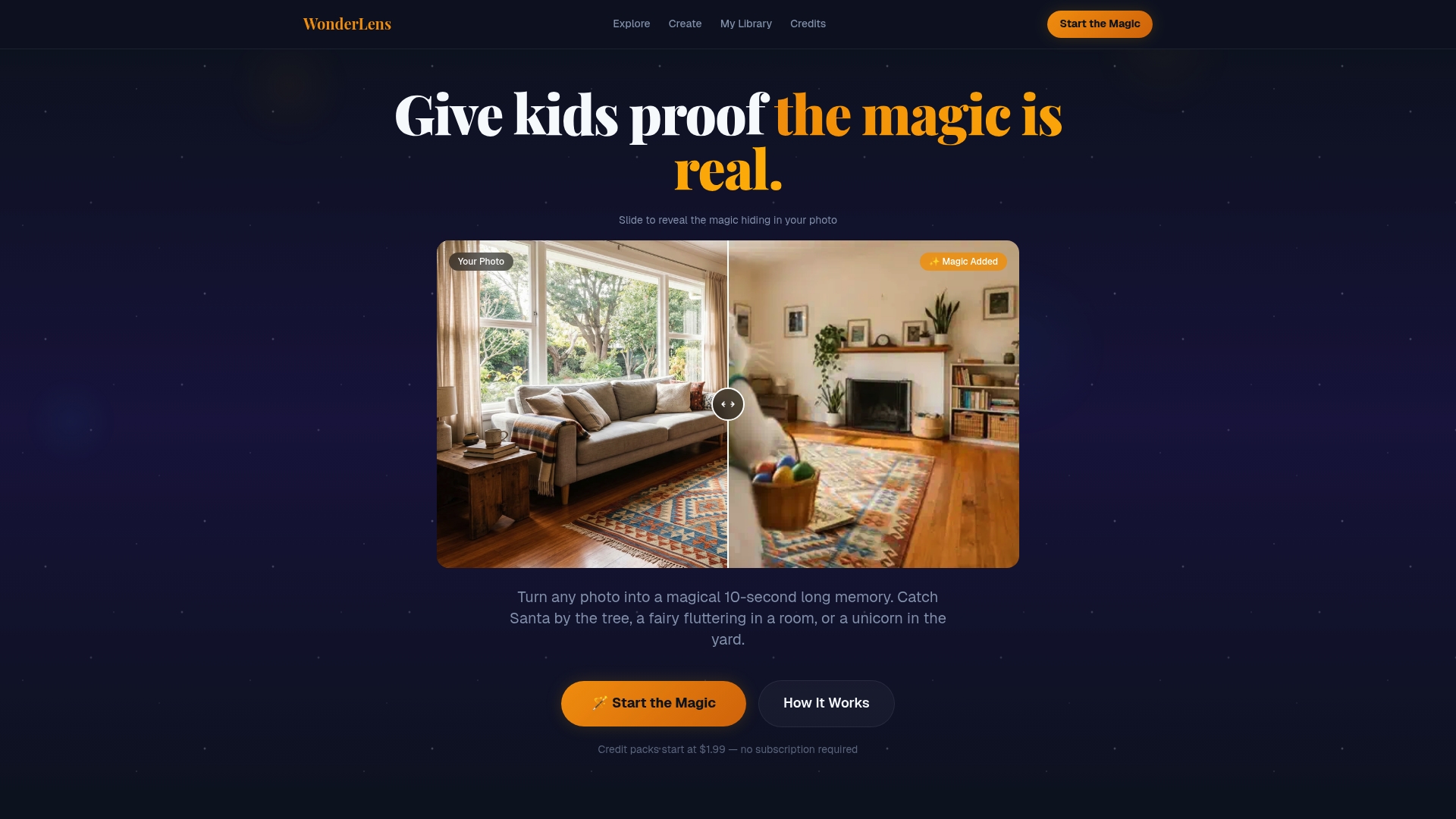
What sets Wonderlens apart from basic AR filters or sticker overlays is the level of cinematic realism baked into every video. A dragon curling up near your fireplace catches the same warm glow as the room around it. Santa moving through your living room casts shadows that match your actual furniture. These details are what make the magic feel real to a child, and what make the video worth saving and replaying.
- Realistic lighting and shadow matching for every character
- Smooth, natural movement that fits your home's actual space
- No expert skills needed: upload a photo, choose your character, and create
- Videos starting at $1.99 per credit, shareable instantly with family
Wonderlens is built for the moments that matter most: Christmas morning, Easter, a birthday surprise, or any day you want to give a child a memory they will carry for years. Explore what is possible at Wonderlens and start creating your family's most magical video yet.
Key Takeaways
Cinematic home videos preserve family memories more vividly because they combine intentional storytelling, sound design, and visual craft to create footage that genuinely moves the viewer.
| Point | Details |
|---|---|
| Video retention advantage | Viewers retain 95% of video content vs. 10% for text, making cinematic video the strongest memory format. |
| Engagement is 3x higher | Cinematic videos drive 3x more engagement than standard recordings, and viewers spend 88% more time on pages featuring quality video. |
| Sound design is essential | Authentic environmental audio creates immersion and makes footage feel alive, not just visually polished. |
| Best for milestone moments | Cinematic style delivers the most value for major family events, keepsakes, and emotionally significant occasions. |
| AI makes it accessible | Wonderlens uses AI-driven rendering to bring cinematic realism to family videos without any filmmaking skills. |
Recommended
- Benefits of Cinematic Video Memories for Families. WonderLens | WonderLens
- Create Cinematic Digital Memories for Kids: A Parent's Guide — WonderLens | WonderLens
- Why Choose Holiday Video Gifts for Your Family. WonderLens | WonderLens
- Why Use Video over Photo Editing for Memories — WonderLens | WonderLens