Why animated holiday surprises matter: the parent's guide to magical moments
May 13, 2026
You already know the big gift under the tree won't always get the biggest reaction. There's real science behind why animated holiday surprises matter more than you might expect, and it comes down to how your child's brain processes the unexpected. Surprise, not scale, is what triggers genuine delight. This guide breaks down the psychology, the research, and the practical steps you need to turn a simple animated video into the moment your child talks about for years.
Table of Contents
- The science of surprise: why unexpected moments delight children
- How animation elevates holiday surprises into meaningful family rituals
- The power of personalization: making your child the story's hero
- Beyond fun: how animated holiday surprises boost positive feelings and hope
- Creating your own animated holiday surprise: practical tips for parents
- Why animated holiday surprises are reshaping family holiday traditions
- Bring your holiday surprises to life with WonderLens animations
- Frequently asked questions
Key Takeaways
| Point | Details |
|---|---|
| Surprise triggers joy | Unexpected small rewards activate children’s brain reward centers more intensely than expected gifts. |
| Animation enhances bonding | Personalized animated surprises engage dopamine and oxytocin pathways, deepening family connection. |
| Personalization matters | Meaningful personalization increases children’s engagement and story comprehension. |
| Boosts positive emotions | Animated storytelling supports gratitude, hope, and happiness in children and adults. |
| Create rituals | Building anticipation and shared family interaction around animations makes the moment memorable. |
The science of surprise: why unexpected moments delight children
Your child gets a huge gift they've been asking for since October. They smile, say thank you, and move on within twenty minutes. Then you hand them a small, completely unexpected treat, and they lose their mind with joy. Sound familiar?
This isn't a parenting mystery. It's brain chemistry. Surprise activates dopamine (the brain's pleasure-signaling chemical) far more intensely than anticipated rewards. When your child doesn't see something coming, their brain floods with dopamine in a way that planned gifts simply can't replicate. An unexpected $5.40 reward produces more pleasure than an expected $9.70 reward, showing smaller surprises can genuinely outperform bigger anticipated gains.
Children's brains are especially sensitive to unpredictability. Their neural reward systems are still developing, which makes them even more responsive to the jolt of something unexpected. Here's what that looks like in practice:
- A surprise animated video of Santa walking through your living room lands harder than a planned toy reveal
- Unexpected magical moments become "flashbulb memories," the kind children recall vividly for years
- Small, surprising experiences generate more emotional storytelling than big expected events
- The element of "I didn't see that coming" keeps children engaged and mentally active throughout the experience
"The brain's reward circuitry responds more powerfully to unpredictable positive events than to anticipated ones, making surprise one of the most effective tools for creating lasting joy."
This is exactly why animated photos and memories have such a powerful effect on children during the holidays. The animation introduces movement and life into a moment they didn't expect, and that unexpectedness is what makes it stick.
How animation elevates holiday surprises into meaningful family rituals
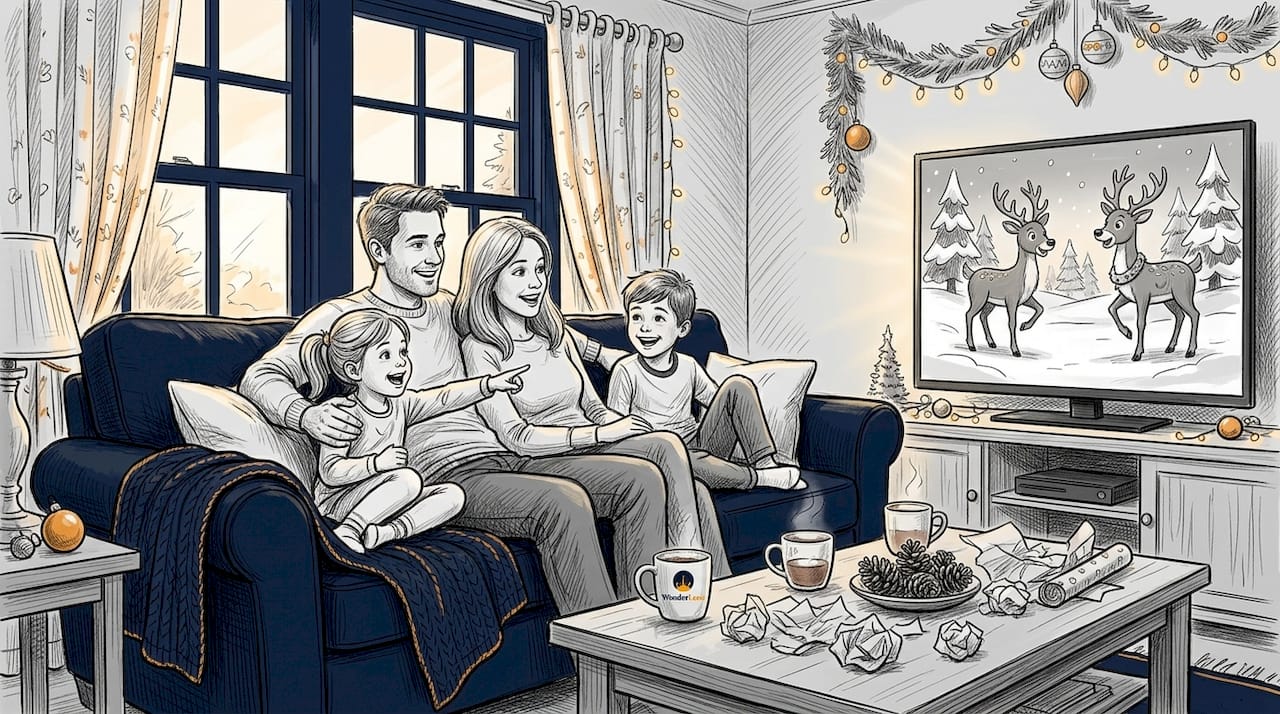
Surprise alone is powerful. But when you pair it with animation, something deeper happens. The story unfolds in front of your child's eyes, building excitement beat by beat. That extended anticipation keeps dopamine flowing longer, and the shared experience with you adds another layer entirely.
Watching something magical together activates oxytocin (the bonding hormone) in both of you. This is the same hormone that strengthens trust and emotional connection between caregivers and children. Gift rituals engage dopamine for pleasure and oxytocin for trust, making animated surprises that connect to caregivers especially effective at deepening family bonds.
Here's how to build a real ritual around your animated holiday surprise:
- Choose a consistent time. Christmas Eve after dinner, or Easter morning before the egg hunt. Repetition builds anticipation across years, not just minutes.
- Create a setup. Dim the lights, gather on the couch, maybe make hot cocoa. The environment signals that something special is coming.
- Watch together, react together. Your child will look at your face to gauge how to feel. Your genuine delight amplifies theirs.
- Talk about it afterward. "What was your favorite part?" keeps the dopamine and the connection alive long after the screen goes dark.
- Revisit it. Watching the same animated surprise a week later reinforces the memory and the family warmth attached to it.
Pro Tip: Record your child's face during the animated reveal. That reaction video becomes its own keepsake, and watching it back together the next day extends the joy even further.
Building holiday rituals and family joy around animated surprises transforms a one-time digital moment into an annual tradition your child actively looks forward to.
The power of personalization: making your child the story's hero
There's a meaningful difference between watching a holiday animation and watching one that features your name, your living room, and your family. Personalization changes a child's relationship to the story entirely. Instead of being a spectator, your child becomes part of the narrative.
Research backs this up clearly. Personalization significantly improves children's story comprehension, retelling, and engagement, with amplified benefits for children of color, who often see themselves underrepresented in mainstream holiday media. When the story belongs to your child, they hold onto it differently.
Here's what meaningful personalization actually does:
- Increases active listening. Children pay closer attention when they hear their own name in the story.
- Boosts narrative retelling. Kids who experience personalized stories are more likely to retell them, which reinforces memory and emotional attachment.
- Strengthens self-concept. Seeing themselves as the hero of a magical holiday moment tells children that they are worthy of wonder.
- Extends engagement. Personalized content holds attention longer because the child is invested in what happens next.
The difference between a generic Santa video and one where Santa walks through your living room, mentions your child by name, and reacts to the actual decorations on your mantle is enormous. It's the difference between watching a movie and being in one. Exploring magical videos and memory shows just how much deeper that impact runs when the child is centered in the experience.
Beyond fun: how animated holiday surprises boost positive feelings and hope
The importance of animated holiday gifts goes further than entertainment. Research is showing that animated storytelling has measurable effects on psychological well-being, not just in children, but in adults too.
Short animated storytelling videos have been shown to significantly boost gratitude and happiness, indicating their power reaches well beyond simple amusement. These are causal improvements, meaning the animation itself drives the emotional uplift. That's a meaningful finding for any parent trying to nurture positivity during a season that can sometimes feel overwhelming.
"Animated storytelling isn't just feel-good content. It's a vehicle for building the emotional resources, gratitude, hope, and happiness, that children and families carry with them long after the holidays end."
Think about what that means practically. A personalized animation of Santa arriving in your child's home isn't just a fun moment. It's planting a seed of wonder, gratitude, and warmth that shapes how your child feels about the season, and about your family's place in it. The impact of holiday animations extends into the days and weeks that follow, not just the ten seconds of the video itself.
Learning how Santa animations enhance Christmas magic gives you a clearer picture of why this form of storytelling resonates so deeply with young children.
Creating your own animated holiday surprise: practical tips for parents
Now let's get specific. Knowing why animated holiday surprises engage children is one thing. Designing one that lands perfectly is another. These steps are built around the psychology above, so every element serves a purpose.
- Build anticipation first. Before showing your child the animation, spend one to two minutes setting the scene. "Something very special just arrived for you..." That brief buildup primes the dopamine system beautifully.
- Introduce a slight delay. Don't rush straight to play. Pause, look at your child, maybe ask what they think it could be. The suspense makes the reveal feel enormous.
- Watch it on a big screen. A phone feels small and casual. A TV screen signals that this is an event.
- Interact warmly during the video. Gasp, laugh, point things out. Your emotional engagement during the animation shapes how your child experiences it.
- Follow it with a connected activity. Open a related gift, bake holiday cookies, or tell a story about what just happened in the video. Connecting the animation to a physical experience anchors the memory.
Designing surprise videos with anticipation, slight delays, and family interaction afterward increases reward impact and memorability significantly.
Pro Tip: Make the animated surprise a yearly event with a consistent "reveal ritual," same location, same setup, same warm energy. Children who experience the same magical tradition year after year build a sense of continuity and belonging around it.
Here's a quick comparison of common holiday surprise approaches:
| Approach | Surprise factor | Personalization | Memorability | Bonding opportunity |
|---|---|---|---|---|
| Traditional wrapped gift | Medium | Low | Medium | Low |
| Generic holiday video | Low | None | Low | Low |
| Personalized animated video | High | High | Very high | High |
| Live character visit | High | Medium | High | Medium |
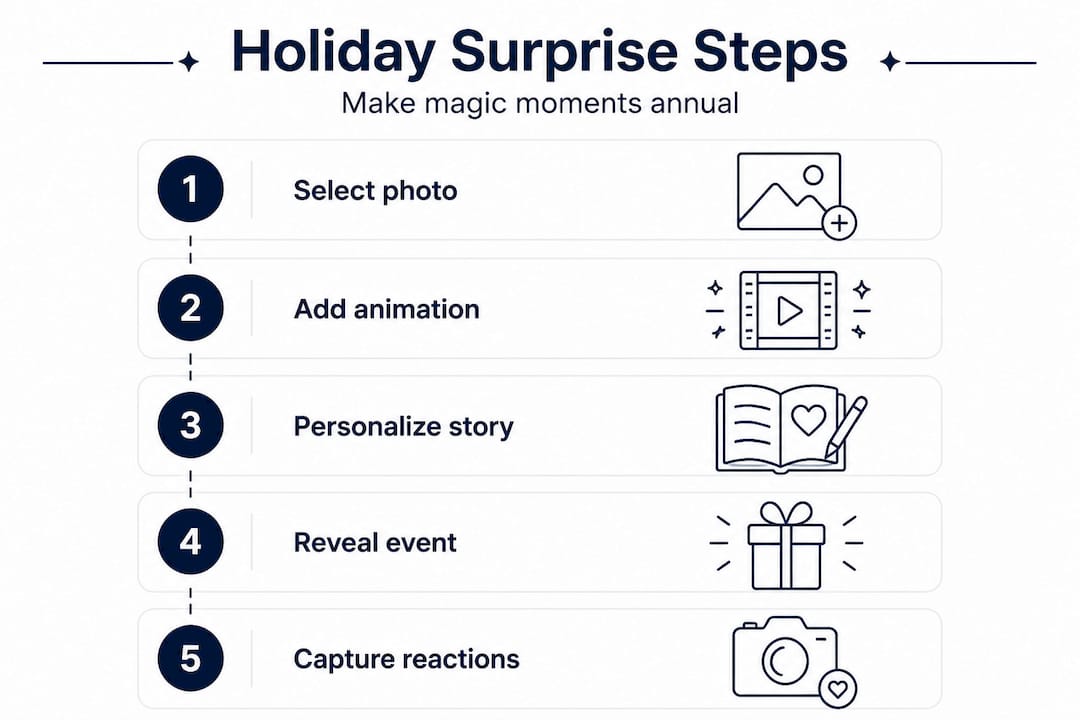
Exploring photo animation steps gives you a practical starting point for building your first animated holiday surprise.
Why animated holiday surprises are reshaping family holiday traditions
Here's a perspective worth sitting with: most holiday gift giving has been absorbed by hedonic adaptation. Your child gets a lot of things. Toys pile up, excitement fades fast, and by December 26th, the big gift is already old news. This is not a parenting failure. It's just how brains work when rewards become expected.
Animated holiday surprises sidestep that entirely. They aren't things. They're experiences, and specifically, they're experiences that center your child in a magical narrative and invite you to be part of it. That's a genuinely different category from anything you can wrap and place under a tree.
What we've seen again and again is that the moments children remember most are not the most expensive ones. They're the ones where they felt seen, surprised, and close to the people they love. An animated video of a fairy dancing through your kitchen at Christmas, landing with your child's name and their actual home as the backdrop, does all three at once.
There's also something important happening for you as a parent in these moments. When you lean in, react genuinely, and share in the wonder, you're not just making a memory for your child. You're encoding relational warmth that builds attachment. You become part of the magic, not just the person who purchased it.
The families who build holiday rituals inspiration around these animated surprises aren't just finding a clever gift alternative. They're actively reinventing what the holidays mean, shifting the focus from accumulation to connection. That shift is worth a lot more than any toy.
Bring your holiday surprises to life with WonderLens animations
If you're ready to create the kind of holiday moment your child will still be talking about next year, WonderLens makes it genuinely easy.
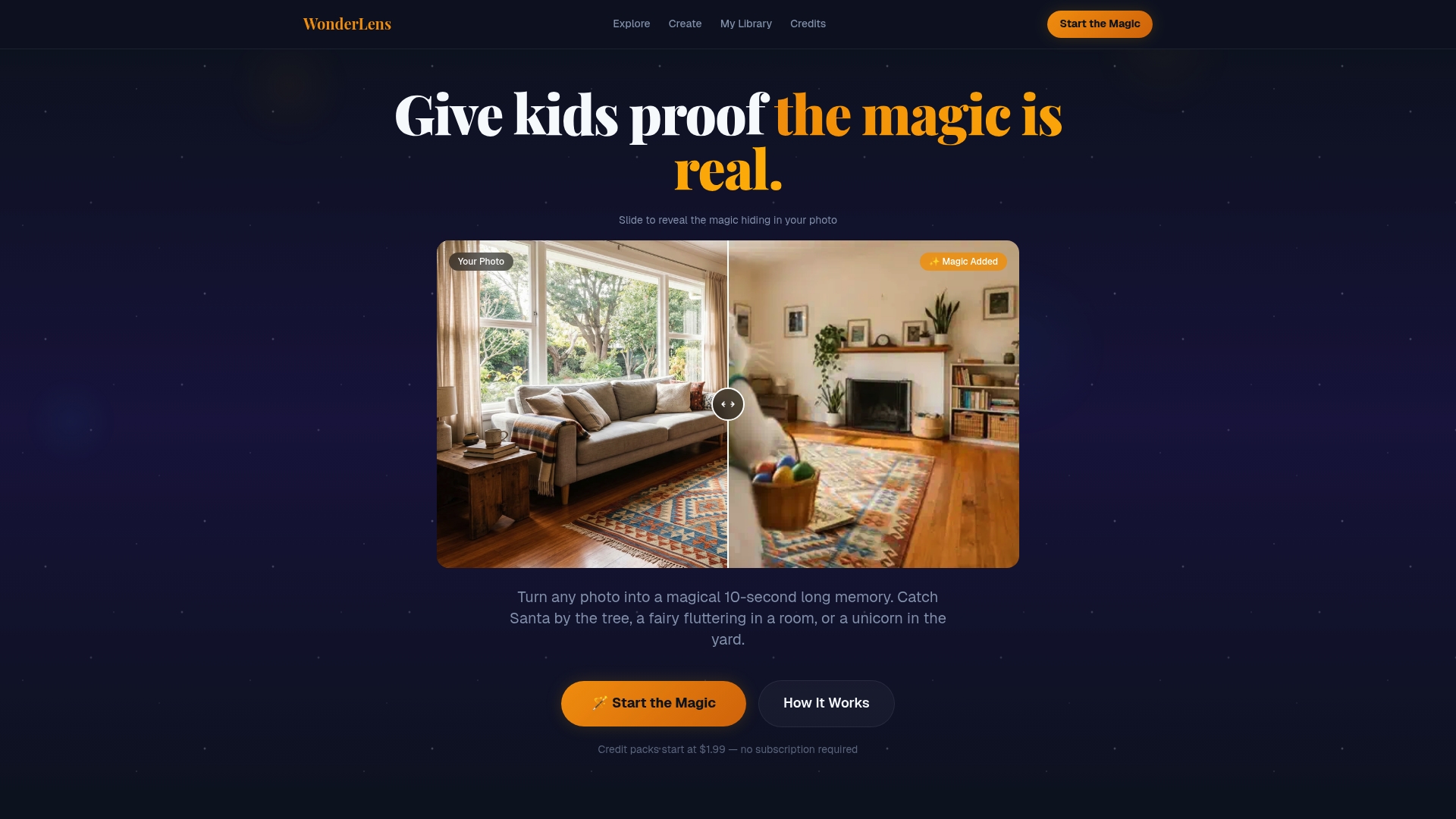
WonderLens is built specifically for parents who want more than a generic holiday video. You upload a photo of your home, choose your character (Santa, a fairy, a dragon, a unicorn), and the platform uses AI to place that character realistically into your actual space, matching the lighting, shadows, and movement of your environment. The result is a short, cinematic animated video that looks like it was filmed in your living room. You can include your child's name, share the video instantly, and revisit it every year as part of your family's holiday tradition. Credits start at $1.99, and the whole process takes just minutes.
Frequently asked questions
Why do children enjoy animated holiday surprises more than traditional gifts?
Animated surprises combine unexpectedness with engaging storytelling, which triggers a stronger dopamine response in children's brains than anticipated physical gifts. Unexpected smaller rewards create more pleasure than expected larger ones, showing that the element of surprise is what drives genuine delight.
How does personalization affect my child's engagement with animated holiday content?
Personalized animations that include your child's name and appearance increase story involvement, comprehension, and retelling significantly. Personalization improves children's story involvement most strongly for children of color, making it a more inclusive and meaningful form of holiday magic.
Can animated holiday surprises improve my child's mood or psychological well-being?
Yes. Short animated storytelling videos significantly boost gratitude and happiness, and these effects go beyond entertainment into measurable improvements in positive emotional states for both children and adults.
What is the best way to use animated surprises to strengthen family bonds?
Co-viewing with warm, interactive engagement during the animation is key. Parental co-viewing reinforces trust and connection through oxytocin, so your presence and genuine reaction during the reveal is just as important as the video itself.
Recommended
- Why animated photos make holiday memories more magical — WonderLens | WonderLens
- Why Magical Videos Make Holiday Memories Last for Children — WonderLens | WonderLens
- Magical Holiday Moments: Top Rituals to Inspire Family Joy — WonderLens | WonderLens
- Transform holidays: fantasy characters create magical family memories — WonderLens | WonderLens