How to Surprise Kids at Christmas: Fun Ideas That Work
June 10, 2026
The most effective way to surprise kids at Christmas is to build anticipation through personalized, sensory-rich experiences rather than expensive gifts. Parents who master this know that a Christmas Eve box, a simulated Santa visit, or a well-crafted scavenger hunt creates memories that outlast any toy. These creative Christmas surprises cost little but deliver enormous emotional impact. This guide covers the most reliable methods, from classic traditions to fresh ideas you can use at home this season.
How to surprise kids at Christmas with a Christmas Eve box
The Christmas Eve box is a curated gift box presented to children on the night of December 24th, designed to build excitement and calm pre-Christmas energy at the same time. The tradition originated in the United Kingdom but has spread widely across North American families as a beloved holiday ritual. It works because it gives kids something to unwrap and enjoy before the main event, channeling their excitement into a cozy, shared experience.
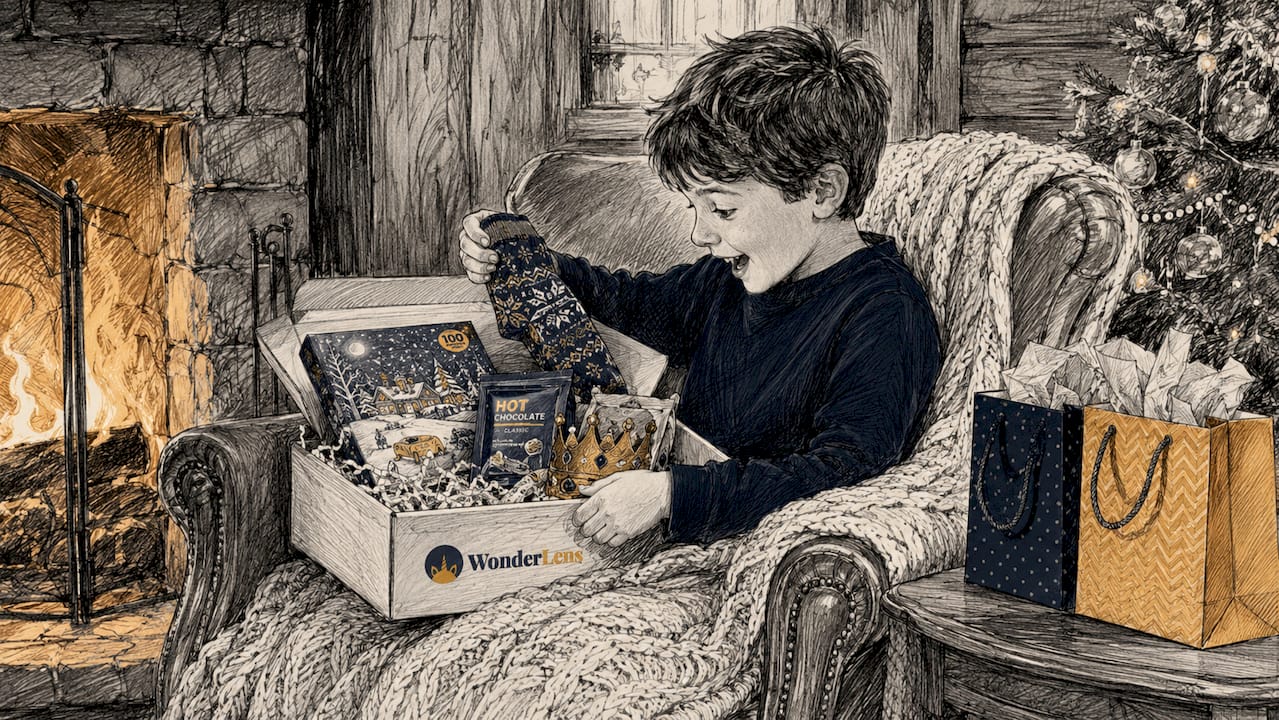
A well-built box typically contains 3-5 items like holiday pajamas, a Christmas picture book, hot cocoa mix, a small ornament, and a festive activity. The pajamas serve double duty: they look adorable in Christmas morning photos. The book creates a natural wind-down routine that helps kids actually sleep.
Here is what to include based on your child's age and interests:
- Ages 2-4: Soft holiday pajamas, a board book like The Night Before Christmas, a small stuffed reindeer, and a cocoa packet with mini marshmallows
- Ages 5-8: Pajamas, a chapter book or activity book, a personalized ornament, a holiday movie on a streaming service, and a small craft kit
- Ages 9-12: Cozy socks, a holiday journal or puzzle, a favorite snack, and a handwritten letter about the year's highlights
Families keep costs minimal by sourcing items from discount stores like Dollar Tree or Target's dollar section, or by making DIY versions using kraft boxes tied with ribbon.
Pro Tip: Present the box right after dinner, not at bedtime. This gives kids time to enjoy the contents without rushing, and the pajama change signals that the evening is winding down toward sleep.
What does simulating Santa's visit actually look like?
Simulating Santa's visit is the practice of leaving physical evidence around your home that "proves" Santa came during the night. These cues take less than 15 minutes to set up and have a strong impact on children's sense of wonder on Christmas morning.
The most effective props are:
- Santa's footprints: Sprinkle baking soda or flour into a boot-shaped stencil near the fireplace or front door, then trace a path toward the tree
- Half-eaten cookies and a drained milk glass: Leave crumbs and a note in Santa's handwriting thanking your child by name
- Reindeer food: Scatter oats and glitter on the front lawn or porch the night before, then show kids the "eaten" patch in the morning
- A jingle bell: Leave a single sleigh bell near the tree with a note saying it fell from Santa's harness
The first 60 seconds when children enter the room set the tone for their entire Christmas morning experience. Sensory cues like soft holiday music playing, the smell of cinnamon from a candle, and warm lighting from the tree do more emotional work than any single prop. That combination of sight, sound, and scent is what makes the moment feel cinematic rather than staged.
Pro Tip: Combine at least three of these cues for the strongest effect. One footprint near the fireplace is easy to dismiss. Footprints plus a thank-you note plus a jingle bell creates a story that kids will talk about for years.
How do you design a Christmas scavenger hunt for kids?
A Christmas scavenger hunt is a clue-based discovery game where children follow a series of hints around the house to find a hidden gift or surprise. Planning clues in reverse order from the final hiding spot back to the starting clue produces the most logical and manageable flow.
Here is a step-by-step process for building one:
- Choose the final prize location first. This could be under the tree, inside a specific drawer, or behind the couch.
- Work backward to map out 5-8 locations for younger children (ages 4-6) or 8-12 riddle-based clues for older kids (ages 7-10).
- Write clues that match your child's reading level. For toddlers, use picture clues or simple rhymes. For older kids, use wordplay or riddles tied to holiday themes.
- Test the route yourself by walking through it once to catch any confusing transitions.
- Add a small surprise at each stop if budget allows. A piece of candy or a sticker at each clue keeps energy high throughout the hunt.
| Age group | Clue type | Number of clues | Example clue |
|---|---|---|---|
| Ages 3-5 | Picture cards or simple rhymes | 4-6 | A photo of the refrigerator |
| Ages 6-8 | Short riddles with holiday themes | 6-8 | "Santa's helpers make toys here. Look where you bake!" |
| Ages 9-12 | Wordplay or coded messages | 8-12 | An anagram of a room in the house |
Anticipation is more magical than the gift itself. Scavenger hunts and hidden notes extend the excitement and deepen the memory of the moment. The hunt becomes the experience, not just the prize at the end.
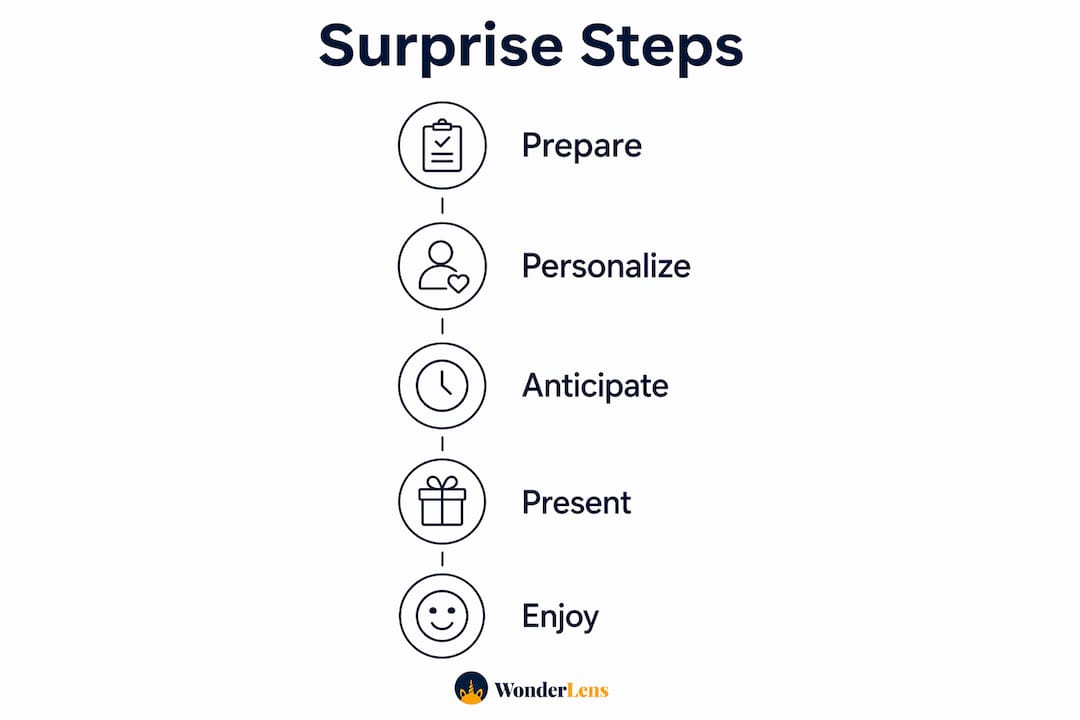
Pro Tip: Photograph your child's face at each clue stop. Those candid expressions of delight make for some of the best holiday photos of the year.
Why does personalization make Christmas surprises more memorable?
Personalized surprises create deeper emotional connections and more lasting holiday memories than generic ones. Using a child's name, referencing their current obsession, or incorporating their favorite color signals that the magic was made specifically for them. That specificity is what transforms a nice moment into a cherished memory.
Here are the most effective ways to personalize holiday surprises:
- A letter from Santa that mentions the child's name, their pet's name, a specific good deed they did that year, and their top wish
- A personalized storybook featuring the child as the main character, available through services like Wonderbook or Lost My Name
- A themed Christmas Eve box built around their current passion, whether that is dinosaurs, space, a specific sports team, or a favorite animated series
- A custom ornament with their name and the year, which becomes a keepsake they will hang on their own tree someday
"Using the child's name and favorite themes enhances emotional impact and makes Christmas magic feel authentic and unforgettable." — Creating a Magical Christmas Morning
The power of personalization is not about spending more money. It is about paying attention. A $3 letter that mentions your daughter's hamster by name will mean more to her than a $50 generic gift set. Explore holiday magic rituals that combine personalization with family traditions for even more impact.
What mistakes should you avoid when planning Christmas surprises?
The most common mistake parents make is overcomplicating their plans. Overly elaborate daily surprises reduce holiday joy rather than amplify it. When every day of December involves a new setup, both parents and children burn out before Christmas even arrives.
Watch out for these specific pitfalls:
- Overwhelming toddlers with complex setups. For children under four, small interactive surprises like balloons, a special breakfast plate, or a new stuffed animal work better than elaborate scavenger hunts or multi-step reveals.
- Poor timing on the reveal. A surprise delivered when kids are tired, hungry, or overstimulated will not land the way you planned. Schedule reveals for morning or right after a meal.
- Skipping your own presence. The surprise is only half the experience. Your reaction, your laughter, and your attention are what make the moment feel safe and joyful for young children.
- Setting up too far in advance. Santa footprints made the night before can smear. Cookies left out too long look suspicious. Set up sensory props within an hour of the reveal.
- Copying someone else's tradition wholesale. What works beautifully for one family can feel hollow for another. Adapt ideas to fit your child's personality and your family's rhythm.
Simplicity prevents burnout and keeps the focus on connection rather than production. The best Christmas surprises are the ones you actually enjoy creating.
Key takeaways
The most memorable Christmas surprises combine personalization, sensory detail, and anticipation rather than expensive gifts or elaborate setups.
| Point | Details |
|---|---|
| Start with a Christmas Eve box | Include 3-5 items like pajamas, a book, and cocoa to build excitement the night before. |
| Simulate Santa's visit in minutes | Footprints, a thank-you note, and a jingle bell take under 15 minutes and create lasting wonder. |
| Design scavenger hunts backward | Plan from the final prize location to the first clue for logical, engaging flow. |
| Personalize every element | Use your child's name, interests, and current favorites to make surprises feel made for them. |
| Keep it simple and present | Overly complex plans cause burnout. Your presence and reaction matter more than any prop. |
Why the simplest surprises are the ones kids remember longest
I have spent years watching parents stress over elaborate Christmas setups, only to see their kids light up most for the smallest details. The year my niece found a single jingle bell on the floor near the fireplace, she talked about it until March. The expensive light display outside? She barely mentioned it.
What I have learned is that children do not measure magic by scale. They measure it by specificity. A Santa letter that mentions their dog's name by name hits differently than a beautifully wrapped gift from a luxury store. The footprints on the floor feel real because they are physical, tactile, and placed exactly where a child's imagination already expected them to be.
My honest advice: pick two or three traditions and do them well every year. Consistency builds anticipation. By the third year of a Christmas Eve box, your kids will start asking about it in November. That is the real magic. Not the box itself, but the fact that they know it is coming and they cannot wait. For more ideas on building those kinds of traditions, the holiday animation guide from Wonderlens is worth a read.
— Jeremiha
Bring Santa into your living room with Wonderlens
You have the traditions covered. Now imagine your child watching Santa walk through your actual living room, past your couch, under your ceiling light, casting real shadows on your floor.

Wonderlens is a web-based platform that places cinematic-quality animated holiday characters directly into photos of your home. Upload a photo of your living room, and Wonderlens generates a realistic Santa video where he moves through your actual space, with lighting and shadows that match your room. No green screens, no sticker overlays. Just a 10-second video your child will watch on repeat. Credits start at $1.99, and the whole process takes minutes. See how Santa animations can take your family's Christmas morning to a whole new level.
FAQ
What goes in a Christmas Eve box for young kids?
A Christmas Eve box typically contains 3-5 items such as holiday pajamas, a picture book, hot cocoa mix, and a small ornament. Keep it simple and age-appropriate for the most impact.
How do I make Santa's visit feel real on Christmas morning?
Leave half-eaten cookies, Santa footprints, and a handwritten thank-you note near the tree. Combining three or more sensory cues creates a believable and memorable scene in under 15 minutes.
How many clues should a Christmas scavenger hunt have?
Use 5-8 visual clues for ages 4-6 and 8-12 riddle-based clues for ages 7-10. Always plan the clue path in reverse, starting from the final prize location.
What is the best way to personalize a Christmas surprise?
A letter from Santa that uses your child's name and references a specific detail from their year creates the strongest emotional response. Personalized storybooks and themed Christmas Eve boxes are equally effective.
Are elaborate Christmas surprises better than simple ones?
No. Simplicity prevents burnout and keeps the holiday joyful for both parents and children. Small, consistent traditions build more anticipation and lasting memories than complex one-time setups.
Recommended
- Creative Tips for Christmas Surprises That Families Love. WonderLens | WonderLens
- Why animated holiday surprises matter: the parent's guide to magical moments — WonderLens | WonderLens
- Catch Santa in Your Living Room — Cinematic Video Proof | WonderLens
- Best practices for creating unforgettable holiday magic — WonderLens | WonderLens