Best practices for creating unforgettable holiday magic
April 19, 2026
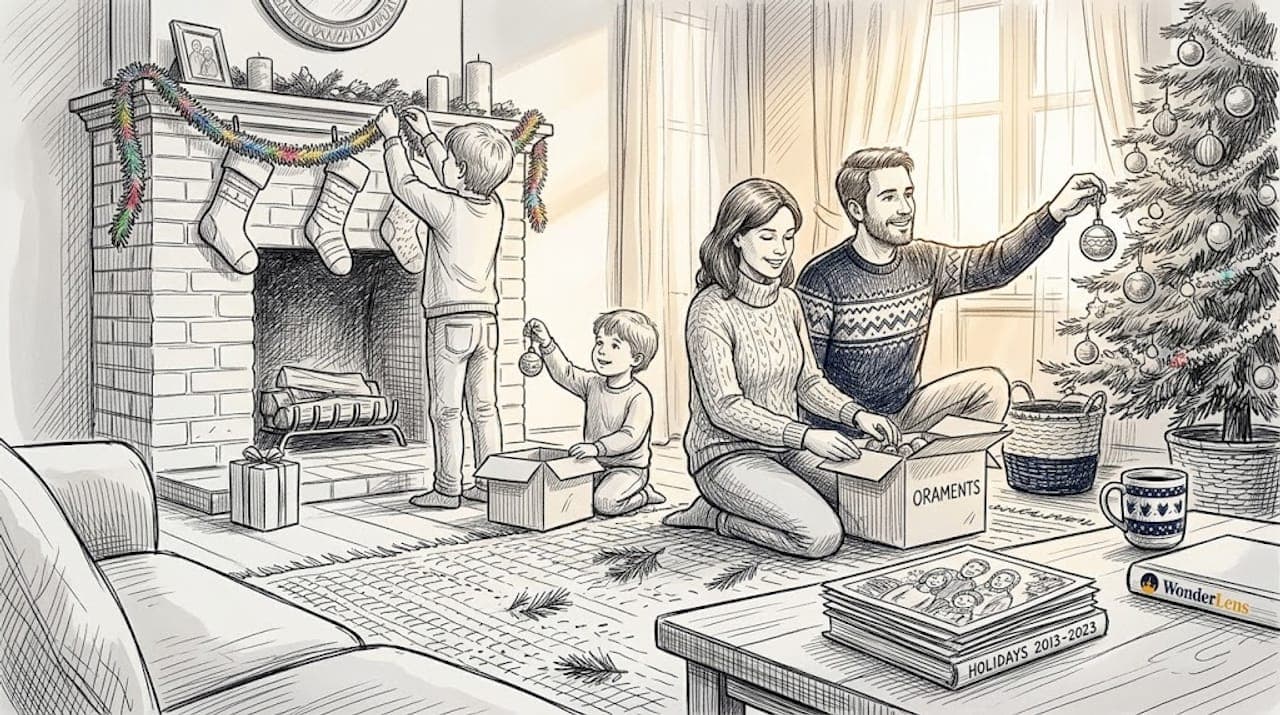
Every parent wants to give their child a holiday season worth remembering. But the truth is, the most magical moments rarely come from expensive gifts or elaborate setups. They come from rituals, surprise, and that undeniable feeling that something extraordinary just happened in your own living room. Personalization and meaningful traditions are what separate a forgettable holiday from one your child talks about for years. This guide walks you through expert-backed best practices for creating holiday magic at home, from building lasting rituals to using personalized animated videos that make wonder feel completely real.
Table of Contents
- Start with traditions that matter
- Personalize with magical media experiences
- Keep the magic alive as kids grow
- Plan ahead to minimize stress and maximize joy
- Why real holiday magic starts with presence—not perfection
- Bring the magic to life with WonderLens
- Frequently asked questions
Key Takeaways
| Point | Details |
|---|---|
| Rituals matter most | Family traditions are the true drivers of magical holiday memories and good behavior. |
| Personalization boosts wonder | Tailoring animated videos and experiences makes each child feel special and immersed in the holiday. |
| Magic evolves with age | Adapting your approach as kids grow keeps the holidays joyful and meaningful for all. |
| Planning prevents stress | Batch tasks, align activities with values, and prep early to enjoy seamless celebrations. |
Start with traditions that matter
Before you add any bells or whistles, start with the foundation: meaningful rituals. Traditions give children a sense of predictability and safety, and that emotional anchor is what makes holidays feel truly special. When kids know what to expect, they look forward to it with pure excitement.
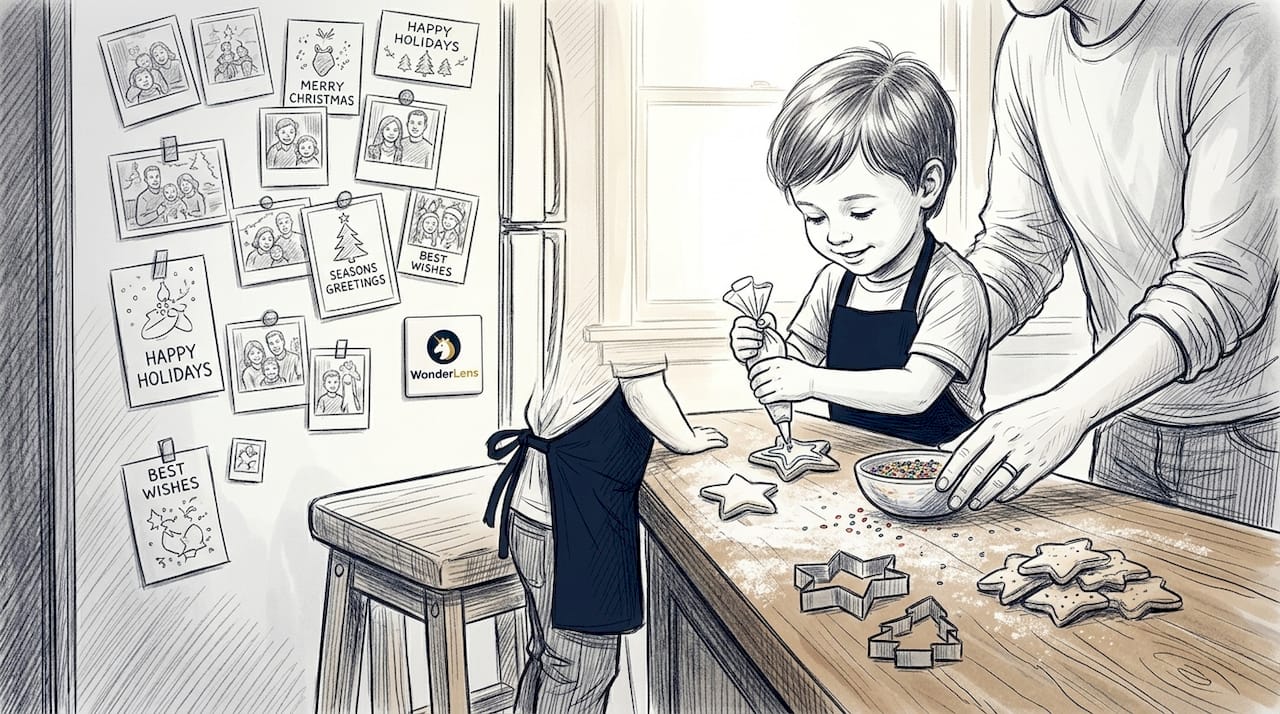
Research backs this up. Christmas rituals and parental modeling positively influence unprompted good behaviors as Christmas approaches, suggesting that it's not just the fantasy of holiday characters that shapes kids' behavior. It's the repeated rituals themselves.
The good news is that traditions don't need to be elaborate. Some of the most powerful ones are beautifully simple:
- Tree decorating night with hot cocoa and favorite holiday music
- Letter writing to Santa or the Easter Bunny, complete with drawings
- Evening storytime featuring a rotating set of holiday books
- Cookie baking or a special family recipe passed down each year
- A gratitude jar where each family member adds a note throughout December
What makes these rituals stick is consistency. Doing them year after year builds a kind of emotional memory that kids carry into adulthood. These moments also become the backdrop for magical family holiday memories that photos and videos can capture and preserve.
When you're deciding which traditions to keep or start, think about your family values. Do you want to emphasize giving? Creativity? Togetherness? Let those values guide your choices. A tradition rooted in what your family genuinely cares about will always feel more meaningful than one copied from a catalog.
For fresh inspiration on keeping kids engaged, explore indoor holiday activity ideas that work well for a range of ages.
"The magic of the holidays isn't in the decorations. It's in the moments your child feels seen, celebrated, and part of something bigger than themselves."
Pro Tip: Keep a simple journal or notes app folder where you record which rituals your kids loved most each year. Over time, you'll have a personalized holiday playbook that gets better every season.
Personalize with magical media experiences
Once your traditions are in place, the next level is adding personalized media that makes the magic feel undeniably real. This is where technology can genuinely enhance the experience rather than replace the human warmth behind it.
Personalized media deepens immersion because it puts your child at the center of the story. Instead of watching a generic holiday video, they see their own home, their own space, and a magical character appearing right where they sleep and play. Personalization aids literacy and engagement per child psychology experts, making these experiences more than just entertainment. They become meaningful.
Here's a simple approach to creating personalized holiday videos that wow:
- Choose your character. Santa, the Easter Bunny, a dragon, a fairy. Pick one that fits the occasion and your child's current obsession.
- Capture your space. Take a clear photo of your living room, bedroom, or backyard. Good lighting makes a big difference in how realistic the final video looks.
- Add personalization details. Include your child's name, a wish, or a specific detail that makes them feel like the character truly knows them.
- Generate and share. Let the AI render the scene with realistic shadows, lighting, and movement, then save and share with family.
For Santa video experiences or Easter animations, platforms like WonderLens use cinematic AI rendering so the character actually looks like it belongs in your home. No awkward overlays or obvious filters.
Here's a quick comparison of personalization features and their impact:
| Feature | Immersion impact | Ease of use |
|---|---|---|
| Child's name included | High | Very easy |
| Home photo backdrop | Very high | Easy |
| Character speaks to child | Very high | Moderate |
| Wish or interest referenced | High | Easy |
| Shareable video format | Medium | Very easy |
For even more inspiration on how to use these moments beyond the holiday itself, check out creative uses for animated memories that keep the wonder alive long after the season ends.
Pro Tip: Batch your personalization work in one sitting. Gather everyone's names, photos of each room, and any wish list details ahead of time. You'll save yourself a frantic scramble during the busiest days of the season.
Keep the magic alive as kids grow
One of the trickiest parts of holiday magic is keeping it alive as children grow older and start asking harder questions. The goal isn't to hold on forever. It's to evolve the experience so wonder stays relevant at every stage.
For younger kids, the magic is straightforward. They believe, and that belief creates pure delight. But as kids reach ages seven to ten and start connecting the dots, the approach needs to shift. Here's how to do it well:
- Invite older kids into the storytelling. Let them help plan a surprise for a younger sibling. This shifts their role from receiver to creator, which is its own kind of magic.
- Start service-based traditions. Volunteering, donating toys, or baking for neighbors gives tweens a meaningful way to participate in the holiday spirit.
- Keep the ritual, change the costume. The tradition of gathering, decorating, or making something together can remain even when the fantasy element fades.
- Talk honestly but gently. Many kids appreciate being let into the "secret" and love becoming a co-conspirator in keeping the magic alive for younger siblings.
For older kids suspecting the truth, enlisting them in creating magic for younger siblings or evolving to new traditions like service projects keeps the season meaningful without forcing a belief they've outgrown.
"Transitions in holiday traditions don't have to feel like losses. Reframe them as promotions. Your child is now old enough to help make the magic."
This approach honors where your child is developmentally while keeping the family spirit intact. It also reinforces evolving family traditions as something to celebrate rather than mourn.
If you want to document this transition beautifully, a guide to cinematic digital memories can help you capture these evolving moments in a way that feels just as special as the originals.
Pro Tip: Enlist older kids as the official videographers or directors when creating magical videos for younger siblings. They'll feel proud, engaged, and invested in the outcome.
Plan ahead to minimize stress and maximize joy
Magic rarely happens when you're exhausted and overwhelmed. Planning is the quiet backbone of every truly wonderful holiday season. When you build in time and structure, you free yourself to actually be present for the moments that matter.
Planning ahead and batching tasks reduces stress for parents significantly, which in turn means a warmer, more joyful environment for kids. Here's a practical approach:
- Start a holiday calendar in October. Map out key dates, traditions, and preparation steps so nothing sneaks up on you.
- Create supply and activity checklists. Know what you need for each tradition before the week of the holiday arrives.
- Protect sleep routines. Late nights and overstimulated kids are a recipe for meltdowns. Keep bedtimes consistent even when the excitement spikes.
- Batch personalization tasks. Gather photos, names, and details for any personalized videos or cards in one focused session.
- Build in buffer days. Leave a few unscheduled days for spontaneous moments. Some of the best memories happen when you're not trying.
Here's a simple comparison of planned versus last-minute holiday approaches:
| Approach | Parent stress | Child experience | Memory quality |
|---|---|---|---|
| Planned ahead | Low | Consistent and joyful | High |
| Last-minute | High | Inconsistent, sometimes rushed | Variable |
| Hybrid (some planning) | Medium | Good with occasional gaps | Medium-high |
For a beautiful way to tie planning and magic together, explore how animated memories in family photos can be prepared in advance and revealed as a holiday surprise. For broader event planning resources, stress-free event planning offers helpful frameworks that apply to holiday seasons too.
Pro Tip: Set a recurring reminder in September to start your holiday planning folder. Future-you will be genuinely grateful.
Why real holiday magic starts with presence—not perfection
Here's something worth saying out loud: the most magical holiday moments in your child's memory probably won't be the ones you planned most carefully. They'll be the ones where you were fully there.
There's a lot of pressure on parents to deliver picture-perfect holidays. Beautiful tablescapes, coordinated pajamas, cinematic videos. And while those things are genuinely lovely (and yes, we think personalized animated videos are wonderful), they work best when they're supporting connection rather than replacing it.
The uncomfortable truth is that kids are watching you more than they're watching any video. When you're relaxed, laughing, and truly engaged, that's what registers as magical. A slightly crooked Christmas tree decorated together beats a flawless one you arranged alone.
That said, tools like a digital memories guide exist to reduce your workload so you can be more present. The goal of any good holiday technology should be to give you back time and energy, not to create another production you have to manage. Use the tools. Then put the phone down and watch your child's face.
Imperfection, it turns out, is often what makes a memory feel real.
Bring the magic to life with WonderLens
If you're ready to add a genuinely cinematic layer of wonder to your holiday traditions, WonderLens makes it simple and stunning.

With WonderLens, you can place a Santa cinematic video directly inside your home, complete with realistic lighting and shadows that make it look completely believable. Want something a little different? A friendly dragon video is perfect for kids who love fantasy year-round. Getting started is easy, with magical memories credits beginning at just $1.99 per video. Browse the full collection and find the perfect character to bring your family's holiday story to life.
Frequently asked questions
What if my child no longer believes in holiday magic?
Recruit them as a co-creator instead. Enlisting older kids to help create magic for younger siblings or starting new service-based traditions keeps the season meaningful and exciting at any age.
How do personalized animated videos enhance the holiday experience?
They place your child at the center of the story, making the holiday feel uniquely theirs. Personalization aids engagement by increasing immersion, which deepens the emotional impact of the experience.
How early should I start planning for a magical holiday?
Aim to start several weeks out, ideally in October for Christmas. Planning ahead and batching personalization steps and aligning activities with your family values significantly reduces last-minute stress.
Can magical traditions help my child behave better during the holidays?
Yes. Holiday rituals and parental modeling are linked to more positive, unprompted good behaviors in children as the season approaches, going beyond belief in fantasy characters alone.
Recommended
- Make Magical Memories | WonderLens
- Transform holidays: fantasy characters create magical family memories — WonderLens | WonderLens
- Catch Santa Claus in Your Living Room — Realistic Video Proof | WonderLens | WonderLens
- Catch Santa in Your Living Room — Cinematic Video Proof | WonderLens
- How to Maintain a Clean Home Through the Holidays
- 7 Inspirerende tips voor decoratie voor kerstcadeaus – Kadopapier.net