Types of Magical Characters: Folklore to Fantasy Guide
June 12, 2026
Magical characters in folklore, literature, and entertainment represent distinct categories defined by their source of power, narrative role, and cultural origin. The types of magical characters you encounter across myths, novels, and films are not interchangeable. A wizard earns power through study. A sorcerer is born with it. A warlock bargains for it. Understanding these distinctions makes you a sharper reader, a stronger writer, and a more informed researcher. This guide covers the full spectrum, from classic humanoid practitioners to supernatural creatures, and connects each type to the storytelling archetypes that give them meaning.
1. what are the main types of magical characters?
Magical characters are classified using three main frameworks: role, archetype, and technical creature or class type. Each framework answers a different question. Role tells you what the character does in the story. Archetype tells you what psychological need they represent. Technical type tells you where their power comes from.
The most useful organizing principle for power source breaks into four categories:
- Learned magic: Wizards, magicians, and enchanters who study spells, texts, and rituals to gain power
- Innate magic: Sorcerers who are born with power tied to bloodline or natural gift
- Bargained magic: Warlocks who receive power through a pact with a supernatural entity
- Natural or spiritual magic: Druids, shamans, and hedge witches who draw power from nature, spirits, or ancestral forces
Magical practitioners split by power source into these four categories, and the title a character carries usually signals which group they belong to. That signal matters for storytelling because each type carries different consequences. A wizard who loses their books loses their power. A sorcerer cannot simply choose to stop being magical.
Pro Tip: When building a magical cast, assign each character a different power source. This creates natural tension and prevents your magic system from feeling one-dimensional.
2. wizard: the scholar of the magical world
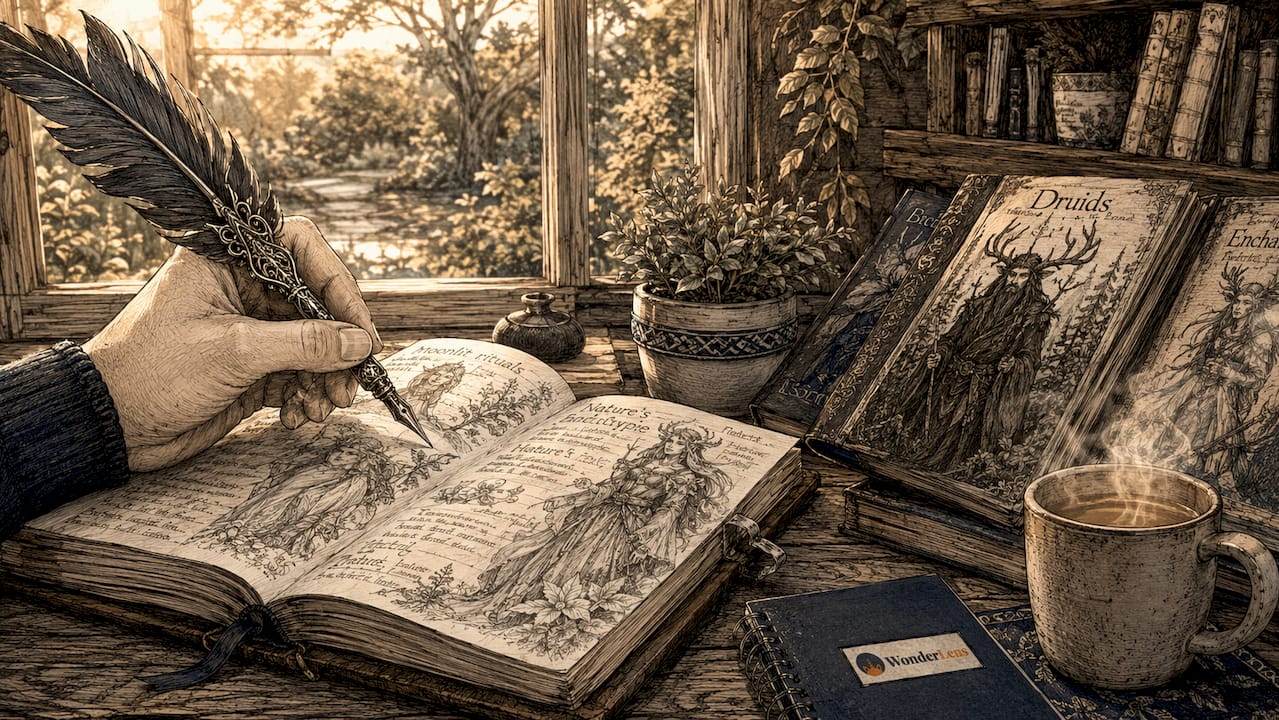
The wizard is the most recognized magical archetype in Western literature. Wizards gain power through years of dedicated study, typically wielding a staff or wand as a focus for their knowledge. Gandalf in J.R.R. Tolkien's The Lord of the Rings and Albus Dumbledore in J.K. Rowling's Harry Potter series are the defining examples. Both are mentors first and fighters second.
The wizard's core narrative function is wisdom. They carry the story's moral compass and often sacrifice themselves to protect others. Their power has a cost: time, discipline, and the weight of knowing too much. You can explore how wizard characters come to life in visual media to see how this archetype translates across formats.
The wizard archetype also branches into sub-types. The court magician advises kings. The hermit wizard lives in isolation. The battle mage applies scholarly power to combat. Each variation shifts the character's role without changing the fundamental source of their magic.
3. sorcerer: born into power
The sorcerer does not study magic. The sorcerer is magic. Sorcerers wield innate power often tied to darker or more volatile energy than wizards, precisely because it is unearned and harder to control. In Ursula K. Le Guin's Earthsea series, Ged's raw power nearly destroys him before he learns to direct it.
This uncontrolled quality makes sorcerers compelling in conflict-driven stories. Their power can surge unexpectedly, making them dangerous to allies and enemies alike. The sorcerer archetype often maps onto the Hero or the Shadow depending on whether their innate gifts serve or threaten the story's world.
Bloodline is central to the sorcerer identity. In many fantasy traditions, sorcerous power passes through family lines, which ties the character to themes of inheritance, destiny, and the burden of legacy.
4. warlock: power through a pact
The warlock earns power by making a deal with a supernatural force, typically a demon, an ancient entity, or a god. This bargained origin gives warlocks a moral complexity that wizards and sorcerers rarely carry. The power is real, but the debt is always present.
Warlocks blend mechanical role with narrative archetype, functioning as Tricksters or Rebels rather than straightforward villains. This layering adds nuance that goes far beyond the villain trope. Christopher Marlowe's Doctor Faustus is the oldest and most studied example in English literature. Faustus bargains with Mephistopheles and spends the play wrestling with the consequences.
The warlock's story is always about the price of ambition. That theme resonates across cultures, from Norse mythology's deal-makers to modern urban fantasy. For writers, the warlock offers a built-in source of dramatic tension: the supernatural creditor always collects.
5. witch: the most complex magical archetype
The witch is the most culturally layered of all magical character types. Witches appear in virtually every world mythology, and their portrayal shifts dramatically depending on era and culture. In European folklore, the witch was an outcast and a threat. In modern fantasy, the witch has become one of the most psychologically rich characters in the genre.
Witches have evolved from outcast to multifaceted characters in storytelling, now representing power that exists outside conventional authority. This evolution reflects broader cultural conversations about gender, autonomy, and the definition of danger. Elphaba in Wicked, Circe in Madeline Miller's novel, and the witches of Terry Pratchett's Discworld series all embody this complexity.
Witch sub-types include the hedge witch (a solitary practitioner working with plants and spirits), the coven witch (a communal practitioner), and the dark witch (a shadow archetype who weaponizes magic). Each sub-type carries different narrative weight and serves a different story function.
"The modern fantasy witch represents power outside conventional authority, exploring the shadow side of magic and challenging the structures that define who gets to wield power." — The Witch in Fantasy Literature
6. magician: illusion, skill, and cultural nuance
The magician occupies a unique space between performer and practitioner. In Western tradition, the magician often suggests illusion and showmanship rather than true supernatural power. Think of stage magic versus spell-casting. But in Jungian psychology, the Magician archetype represents transformation and the mastery of hidden knowledge.
Character archetypes like Magician or Sage represent psychological needs such as wisdom and transformation, and pairing these archetypes with unique personality traits avoids clichés. The magician in storytelling is most powerful when their apparent tricks conceal genuine insight or real power. Merlin in Arthurian legend functions as both advisor and transformer, fitting the Magician archetype precisely.
Across non-Western traditions, the magician figure takes different forms. The onmyoji in Japanese folklore combines divination with spirit control. The babalawo in Yoruba tradition is a diviner who mediates between humans and spiritual forces. These figures share the magician's core function: accessing hidden knowledge to change outcomes.
7. magical creature types vs. humanoid magical characters
Magical creatures are a separate but related category. The 14 recognized creature types in fantasy taxonomy include Aberration, Beast, Celestial, Construct, Dragon, Elemental, Fey, Fiend, Giant, Humanoid, Monstrosity, Ooze, Plant, and Undead. Each type defines both ecological role and magical origin.
The key distinction that trips up most researchers is the difference between Beasts and Monstrosities. Beasts are natural animals, sometimes with extraordinary abilities, but rooted in the physical world. Monstrosities are magical in origin, often the result of supernatural corruption, experimentation, or otherworldly creation. Visual media designers focus on biological versus magical origins to reflect how a creature interacts with its environment and behaves toward other characters.
| Creature Type | Origin | Narrative Role |
|---|---|---|
| Beast | Natural, biological | Environmental challenge, companion |
| Monstrosity | Magical or unnatural | Threat, symbol of corruption |
| Fey | Otherworldly, magical | Trickster, guide, unpredictable ally |
| Celestial | Divine, heavenly | Guardian, moral test, reward |
| Undead | Death magic, reanimation | Horror, consequence, tragic figure |
Pro Tip: When writing magical creatures, decide first whether their power is natural or supernatural in origin. That single choice shapes their behavior, their ecology, and how other characters respond to them.
8. narrative archetypes that magical characters fill
Every magical character, regardless of power source, also fills a narrative archetype. These archetypes come from Carl Jung's framework of universal psychological patterns, and they explain why certain magical characters feel instantly recognizable across cultures.
The most common archetypes for magical characters include:
- The Mentor: The wise guide who transfers knowledge, often a wizard or elder shaman. Gandalf, Dumbledore, and Yoda all fit this role.
- The Hero: The protagonist whose magical gifts drive the central conflict. Harry Potter and Ged from Earthsea are clear examples.
- The Shadow: The dark counterpart who represents the destructive potential of magic. Voldemort, Sauron, and the White Witch from C.S. Lewis's Narnia fill this role.
- The Trickster: The unpredictable magical figure who disrupts order. Loki in Norse mythology and Puck in Shakespeare's A Midsummer Night's Dream are defining examples.
- The Rebel: The magic user who refuses the rules of their world. The warlock archetype often lands here.
Magical character archetypes serve both narrative function and psychological symbolism, enriching reader engagement when combined with care. A character who blends the Mentor and Shadow archetypes, like Dumbledore with his hidden manipulations, becomes far more memorable than one who fits a single mold.
9. how to blend magical character types effectively
Choosing the right mix of magical characters is as important as defining each one. Most novels work best with 5–8 character types, and trying to include every possible type usually results in a shallow, crowded cast. Focus on variety of power source and narrative role rather than quantity.
Effective blending follows a few clear principles:
- Pair a learned magic user with an innate one to create philosophical tension about whether power should be earned or accepted
- Include at least one shadow archetype to give the magical world moral stakes
- Use natural or spiritual magic users to ground the story in a specific cultural or ecological context
- Avoid assigning a single archetype to a character permanently. Let them shift as the story demands.
Blending mechanical roles and archetypes breaks formulaic patterns and adds depth that readers feel even when they cannot name it. The most memorable magical casts in literature, from The Lord of the Rings to His Dark Materials, succeed because each character's magic feels distinct in origin, cost, and consequence.
Pro Tip: Before finalizing your magical cast, map each character's power source against their narrative archetype. If two characters share both, merge them or give one a defining trait that separates them.
Key takeaways
Magical characters are most powerful in storytelling when their power source, creature type, and narrative archetype are each distinct and purposefully chosen.
| Point | Details |
|---|---|
| Power source defines character | Learned, innate, bargained, and natural magic each carry different narrative costs and consequences. |
| Creature types have clear distinctions | The 14 fantasy creature types separate natural beasts from magical monstrosities, shaping behavior and story role. |
| Archetypes add psychological depth | Pairing a magical type with a Jungian archetype like Mentor or Shadow makes characters feel universal and memorable. |
| Cast size matters | A focused cast of 5–8 magical character types produces richer storytelling than attempting to include every possible type. |
| Witches are the most complex type | The witch archetype has evolved furthest from its origins, now representing power, autonomy, and the shadow side of magic. |
Why magical characters are more than just labels
I have spent years reading fantasy, studying folklore, and watching how magical characters land with audiences. The single biggest mistake I see researchers and writers make is treating these types as fixed boxes. They are not. The label "wizard" or "witch" is a starting point, not a destination.
What strikes me most is how the witch's transformation in modern storytelling mirrors real cultural shifts. When Madeline Miller wrote Circe, she did not just retell a myth. She asked what it means to be powerful in a world that fears you. That question is what makes magical characters matter beyond entertainment.
The Jungian framework is genuinely useful here, not as an academic exercise, but as a practical tool. When you understand that your sorcerer is filling the Shadow archetype, you start writing their scenes differently. You give them motivations that make sense from the inside, not just from the outside. That shift changes everything about how readers connect with them.
My honest recommendation: stop asking "what type is this character?" and start asking "what does this character's magic cost them, and who does that cost affect?" The answer to that question will tell you more about your character than any taxonomy ever will. Magical diversity in fiction, whether it is a Yoruba diviner, a Norse völva, or a Japanese onmyoji, reflects the full range of human imagination. That range deserves more than a checklist.
— Jeremiha
Bring magical characters to life with Wonderlens
Understanding the types of magical characters is one thing. Seeing them move through your own living room is something else entirely. Wonderlens uses AI-driven rendering to place realistic fantasy characters, including star fairies and wizards, directly into your home environment with accurate lighting, shadows, and movement. The result is a 10-second cinematic video your kids will want to watch on repeat.
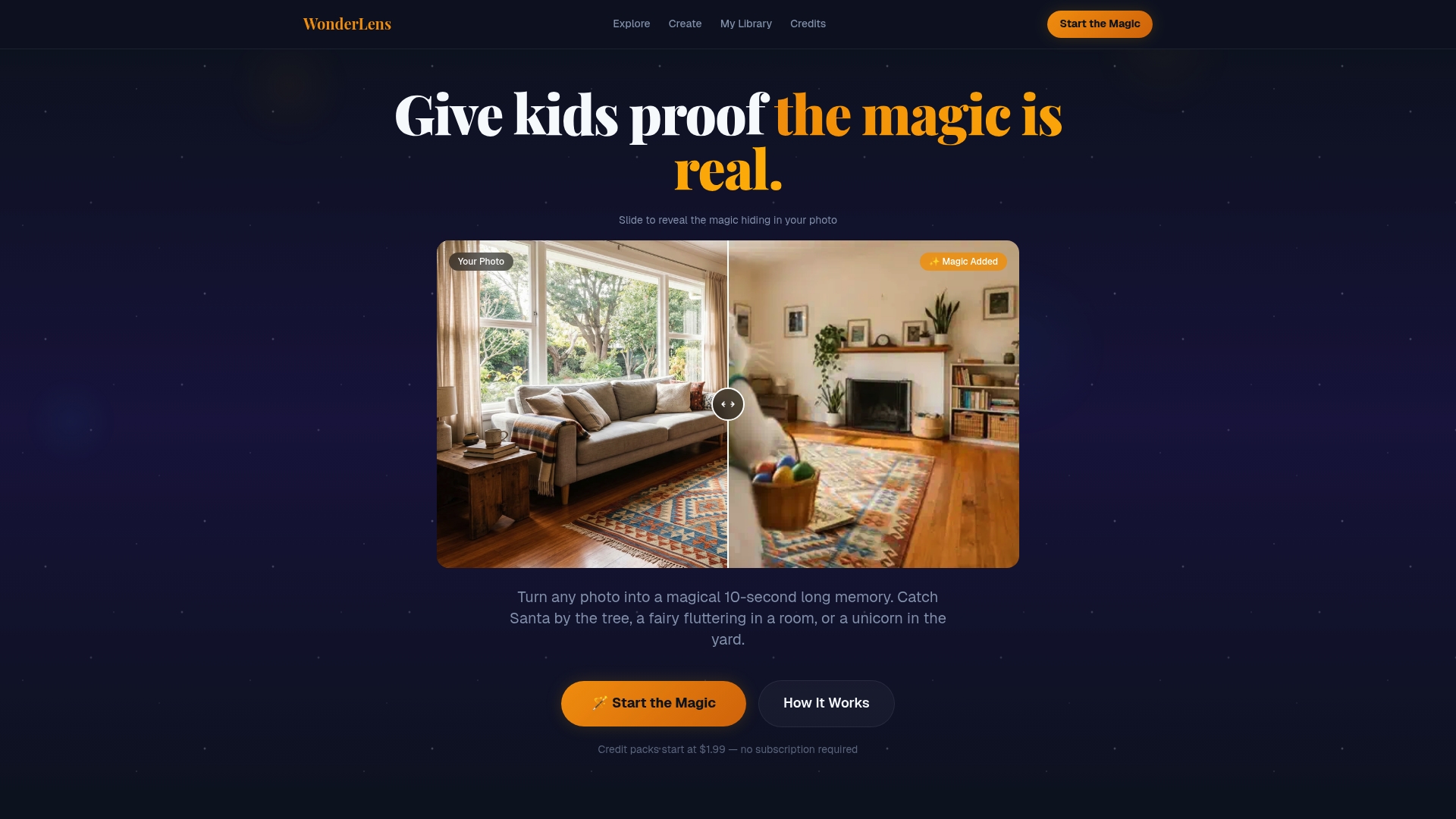
Whether you want to surprise your children with a visiting wizard or bring a fairy into your holiday traditions, Wonderlens makes it feel genuinely magical. Credits start at $1.99, and the platform is designed to be simple enough for any parent to use. Visit Wonderlens to start creating your first magical memory today.
FAQ
What are the main types of magical characters in fiction?
The main types are wizards, sorcerers, warlocks, witches, magicians, druids, and shamans. Each type is defined by its source of power: learned, innate, bargained, or natural.
How do wizards and sorcerers differ?
Wizards gain power through study and discipline, while sorcerers are born with innate magical ability. The distinction reflects different narrative themes: earned knowledge versus inherited destiny.
What are the 14 magical creature types in fantasy?
The 14 recognized types are Aberration, Beast, Celestial, Construct, Dragon, Elemental, Fey, Fiend, Giant, Humanoid, Monstrosity, Ooze, Plant, and Undead. Each type signals a creature's magical origin and ecological role.
What narrative archetypes do magical characters typically fill?
Magical characters most commonly fill the Mentor, Hero, Shadow, Trickster, and Rebel archetypes. Combining more than one archetype in a single character adds psychological depth and avoids predictable storytelling.
How many magical character types should a story include?
Most stories work best with 5–8 distinct magical character types. Including too many types produces a shallow cast where no single character gets enough development to feel real.
Recommended
- Transform holidays: fantasy characters create magical family memories — WonderLens | WonderLens
- Magical Family Traditions: 10 Ideas That Last — WonderLens | WonderLens
- Magical home animation types to enchant your holidays — WonderLens | WonderLens
- Fairy video animation: A parent's guide to magical memories — WonderLens | WonderLens