Realistic Digital Animation: A 2026 Craft Guide
June 11, 2026
Realistic digital animation is the process of creating digital characters and scenes that move and appear with lifelike authenticity using advanced rendering, motion capture, and layered animation techniques. The industry term for the highest tier of this work is photorealistic character animation, and it sits at the intersection of physics, art, and psychology. Tools like Autodesk Maya, Houdini, and Unreal Engine power the technical side, while the artistic side demands that animators think and perform like actors. Whether you want to create stunning film sequences or magical family memories, understanding what realistic digital animation involves will change how you approach every project.
What is realistic digital animation?
Realistic digital animation is defined by its ability to replicate how light, mass, and emotion behave in the real world. Advanced ray tracing, PBR materials, and motion capture work together to mimic real-world physics and light interaction. That combination is what separates a believable digital character from a plastic-looking one.
Physically-based rendering, or PBR, calculates how light bounces off surfaces the way it does in nature. Subsurface scattering, for example, simulates how light penetrates skin and scatters beneath the surface, giving digital faces that warm, fleshy glow you recognize from films like Avatar or The Lion King (2019). Without it, skin looks like painted rubber.
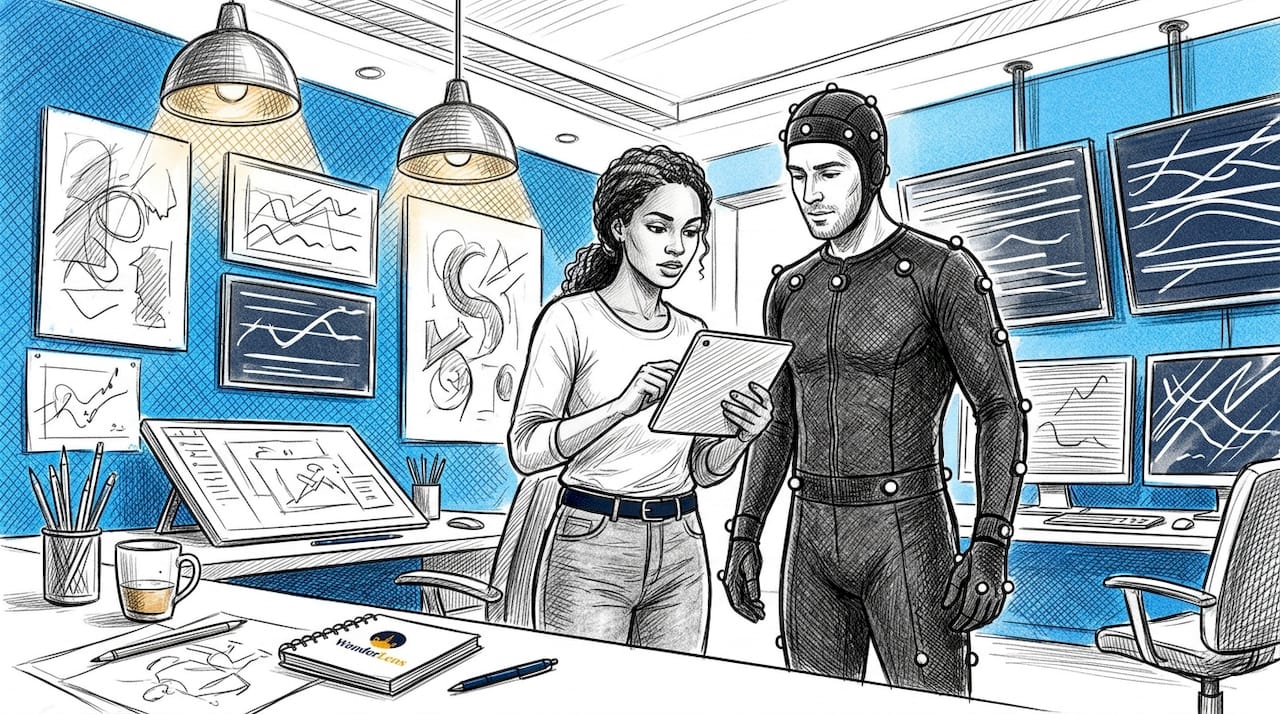
Motion capture, or mocap, records real human movement and transfers it to a digital skeleton. This gives animators a foundation of genuine human physics to build on. The result is movement that carries real weight, real hesitation, and real rhythm from the very first frame.
What technologies enable realistic digital animation?
The technical stack behind photorealistic animation is deep, but you can organize it into four core layers.
- Rendering engines: Unreal Engine 5's Lumen and Nanite systems, along with Arnold and RenderMan, use path tracing to simulate how light travels through a scene. Path tracing is computationally expensive, but it produces the soft shadows and color bleeding that make a scene feel physically real.
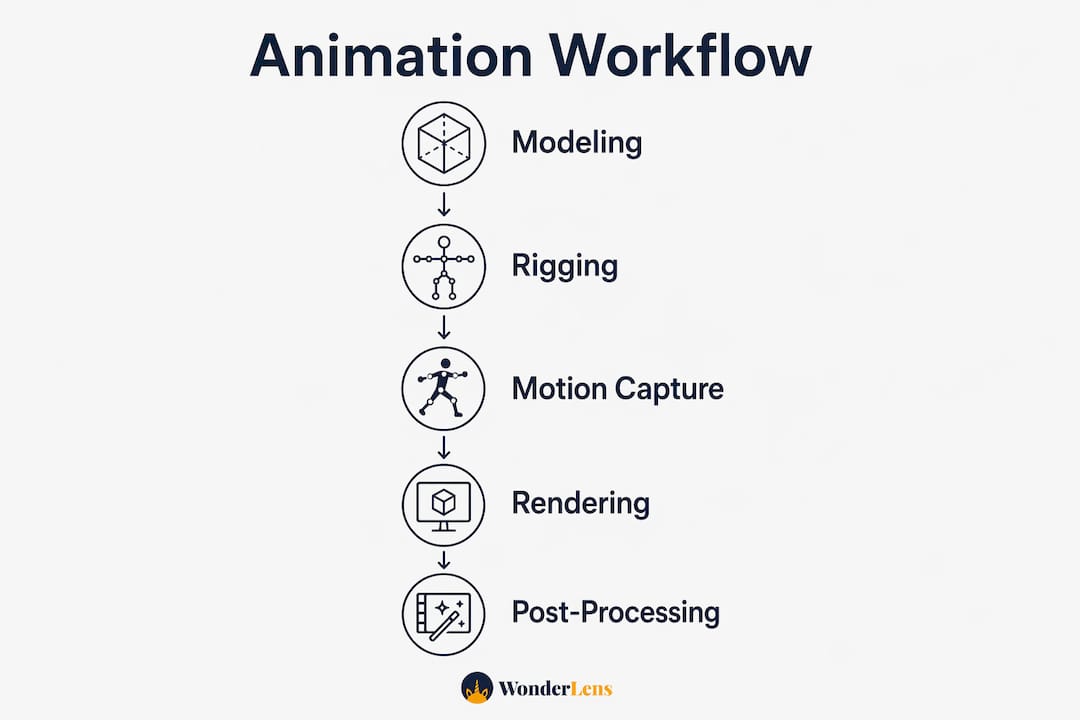
- Motion capture systems: Optical mocap rigs from companies like Vicon and OptiTrack record skeletal data at high frame rates. This data feeds directly into rigging systems inside Maya or MotionBuilder.
- Rigging and secondary motion: Advanced muscle and sliding systems allow realistic secondary animations like hair, clothes, and skin folds to react naturally to movement. A character's shirt bunches when they sit. Their hair lags a fraction of a second behind a head turn. These details register subconsciously with viewers.
- Micro-detail animation: Believable eye animation requires managing 5–7 controls per eye, including pupil dilation, moisture reflection, and microsaccades. Microsaccades are the tiny, involuntary eye movements humans make several times per second. Without them, a digital character's gaze feels locked and lifeless.
Software like Autodesk Maya handles rigging and keyframe animation. Houdini manages procedural effects and cloth simulation. ZBrush sculpts the high-resolution surface detail that PBR shaders need to look convincing. Each tool solves a specific layer of the realism problem.
Pro Tip: If you are just starting out, focus on one layer at a time. Master basic rigging in Maya before you touch rendering. Trying to learn everything at once produces mediocre results across the board.
How do animators create believable movement and emotional performance?
Technical accuracy alone does not make animation feel real. Realistic performance is informed by emotional drivers and subtext, moving beyond surface accuracy to psychologically authentic animation. The Seven Approaches to Realistic Animation framework, developed by PANEURAMA, guides animators to think like actors rather than technicians.
Here is how that process works in practice:
- Define the emotional driver. Before touching a single keyframe, ask what the character wants and what they are hiding. A character reaching for a glass of water moves differently if they are nervous versus confident.
- Build the rhythm first. Rhythm is the timing pattern of a performance. A grieving character moves slowly and unevenly. An excited one moves in short, quick bursts. Establish this before adding detail.
- Layer in subtext. Subtext is the gap between what a character says and what they feel. A smile that fades a half-second too late reads as false. That tiny delay is subtext made visible.
- Add naturalistic imperfection. Real humans do not move symmetrically. One shoulder lifts slightly more than the other. The head tilts on a slight angle during speech. Micro-movements and imperfections are indispensable for breaking the robotic feel that plagues beginner animation.
- Refine the face last. Facial animation is the most scrutinized part of any performance. Save it for last so the body performance is locked before you invest hours in expression work.
"Realism in animation is not solely a visual replication but a psychological connection involving rhythm, subtext, and viewer empathy." — Sadao Tsukioka
This distinction matters enormously. Realism differs from reality: animation can lack photorealism yet evoke a strong sense of truth by engaging human empathy through consistent rhythm and emotional honesty. Pixar's Up is not photorealistic, but the first ten minutes feel more emotionally real than most live-action films.
What challenges exist in achieving realism in digital animation?
Realism is expensive, time-consuming, and full of trade-offs. Understanding these challenges will save you from frustration and help you plan your projects more honestly.
| Challenge | What It Means in Practice |
|---|---|
| Motion realism vs. control | More control reduces natural variation, making motion feel robotic; freer motion improves realism but reduces repeatability |
| Mocap data cleanup | Raw mocap requires labor-intensive refinement to restore human nuances that automated systems miss |
| Uncanny valley risk | Characters that are almost human but not quite trigger discomfort; micro-details like microsaccades are the fix |
| Rendering cost | Path tracing a single frame at production quality can take minutes to hours on professional hardware |
| Emotional believability | A technically perfect performance can still feel hollow if the emotional subtext is absent |
The uncanny valley is the most discussed challenge in realistic character animation. It describes the unsettling feeling viewers get when a digital human looks almost real but not quite. The fix is not more photorealism. The fix is more micro-detail. Facial animation cleanup artists spend around 4 hours per recorded minute to perfect these details in AAA game productions. That number shows how seriously the industry takes the problem.
The motion realism versus control trade-off is equally important for aspiring animators to understand. AI video generation tools illustrate this clearly: generated footage often looks fluid and natural, but you cannot reliably direct a character to perform a specific action on a specific frame. Precision and naturalness pull in opposite directions.
Pro Tip: Study realistic visual effects in film to see how professionals resolve the uncanny valley. Pay attention to eye behavior and weight shifts in close-up shots.
How is realistic digital animation applied across industries?
Realistic digital animation appears in more places than most people realize. Understanding where it is used helps you identify which skills to prioritize for your own goals.
- Film and streaming: Productions like The Mandalorian use Unreal Engine for real-time virtual production, replacing green screens with photorealistic LED environments. This approach, covered in depth by virtual production services, is now standard at major studios.
- AAA video games: Titles like The Last of Us Part II and Red Dead Redemption 2 use full-body and facial mocap to deliver performances that rival film. Motion capture in gaming has evolved to capture finger movement, eye direction, and breath patterns simultaneously.
- VR and immersive experiences: VR demands the highest standard of realism because viewers are inside the scene. Any motion artifact or lighting inconsistency breaks immersion immediately.
- Advertising and brand content: Luxury brands use photorealistic product animation to show materials and textures that photography cannot always capture cleanly.
- Personal creative projects: Platforms now let everyday users apply realistic animation principles to their own photos and home environments. This is where holiday animation realism becomes meaningful for families, not just studios.
For aspiring animators, the most practical entry point is learning inside a real-time engine like Unreal Engine 5 or Unity. Both offer free tiers, extensive documentation, and active communities. Blender, which is fully free and open source, covers modeling, rigging, and rendering in a single application. It is the most accessible path from zero to a complete realistic animation workflow.
Key takeaways
Realistic digital animation succeeds when technical rendering, motion capture refinement, and emotionally driven performance work together as a single craft.
| Point | Details |
|---|---|
| Core technology trio | Ray tracing, PBR materials, and motion capture form the technical foundation of realistic digital animation. |
| Micro-movements matter most | Microsaccades, weight shifts, and asymmetry prevent the uncanny valley and signal life to viewers. |
| Emotion over accuracy | Psychological truth and subtext create more believable animation than technical perfection alone. |
| Cleanup is the real work | Raw mocap data requires hours of manual refinement per minute of footage to reach production quality. |
| Accessible entry points | Blender and Unreal Engine 5 give aspiring animators free access to professional-grade realistic animation tools. |
Why emotional truth is the skill most animators underestimate
I have spent years watching aspiring animators chase software mastery while neglecting the one thing that separates good animation from great animation: emotional truth. You can render a character in Unreal Engine 5 with perfect subsurface scattering and still produce something that feels dead on screen. The technical work is table stakes. The real craft is acting.
The Seven Approaches framework from PANEURAMA changed how I think about this. It reframes the animator's job as an actor's job. You are not moving a rig. You are interpreting a character's internal motivation and making it visible through timing, weight, and micro-expression. That shift in mindset produces better work faster than any software tutorial.
My honest advice for beginners is this: before you spend another hour in Maya, spend an hour watching people in real life. Watch how someone's shoulders drop when they receive bad news. Watch how a child's whole body tightens with excitement before they open a gift. That physical vocabulary is what you are trying to reproduce. The software is just the tool you use to reproduce it. What realism in digital media means is ultimately about making a viewer feel something, not just see something.
— Jeremiha
See realistic animation come to life with Wonderlens
If you want to experience what realistic digital animation feels like without building a full production pipeline, Wonderlens is the place to start.

Wonderlens transforms your home photos into short, cinematic animated videos featuring characters like Santa, unicorns, and fairies moving through your actual living space. The platform applies the same principles covered in this article: accurate shadow casting, matched lighting, and natural movement that makes the character feel physically present in your room. There is no editing experience required. Credits start at $1.99, and the results are shareable in seconds. If you have children, the moment they see a magical creature standing in their own living room will be one they remember for years. Try Wonderlens today and see realistic animation create real magic.
FAQ
What is realistic digital animation in simple terms?
Realistic digital animation is the process of making digital characters and scenes move and look the way real objects and people do, using tools like motion capture, ray tracing, and physics-based rendering.
What makes animation look realistic?
Realistic animation combines accurate lighting, natural micro-movements like weight shifts and microsaccades, and emotionally driven performance to create the impression of life. Technical accuracy alone is not enough without emotional subtext.
What software is best for realistic digital animation?
Autodesk Maya, Unreal Engine 5, Houdini, and Blender are the most widely used tools. Blender is the best free starting point for beginners covering modeling, rigging, and rendering in one application.
What is the uncanny valley in digital animation?
The uncanny valley is the discomfort viewers feel when a digital character looks almost human but not quite. Adding micro-detail animations like microsaccades and asymmetric movement is the most effective way to resolve it.
How long does it take to create realistic character animation?
At AAA production quality, facial animation cleanup alone takes around 4 hours per recorded minute of footage. Personal and indie projects take less time but still require significant refinement of raw motion capture data.
Recommended
- What realism in digital media means for holiday magic — WonderLens | WonderLens
- Realistic Visual Effects Explained for Filmmakers — WonderLens | WonderLens
- Create memorable Easter animations: a step-by-step guide for parents — WonderLens | WonderLens
- Magical home animation types to enchant your holidays — WonderLens | WonderLens