What makes a digital experience truly memorable for families?
May 9, 2026

Not every screen moment your child enjoys will stick with them. The ones that do share something in common: they made your child feel something real, something personal, and something shared with you. A memorable digital experience is not just visual polish; it is designed to make people feel something they didn't feel before, driving recall long after the screen goes dark. That is the difference between a child who says "that was fun" and one who asks to watch it again every Christmas Eve for years.
Table of Contents
- Defining a memorable digital experience for parents and kids
- Personalization: The heart of memorable digital moments
- The importance of emotional guidance and parental involvement
- From holiday magic to family traditions: Turning moments into memories
- Perspective: Why genuine emotional connection is the real magic in digital experiences
- Bring magical, memorable digital traditions to your home
- Frequently asked questions
Key Takeaways
| Point | Details |
|---|---|
| Emotion matters most | Memorable digital moments are built on emotional connection, not just visuals. |
| Personalization drives recall | Adding your child’s name and traditions turns digital experiences into lasting memories. |
| Parental guidance is crucial | Co-engagement and boundaries transform screen time into positive family rituals. |
| Holiday moments shape tradition | Annual, repeatable digital activities can become beloved family traditions over time. |
Defining a memorable digital experience for parents and kids
Having set the stage for why true memorability matters, it is important to understand the essential elements that set these experiences apart from generic digital entertainment.
A digital experience is a user's interaction with digital touchpoints, including websites, apps, smart TVs, and interactive tools, shaping lasting impressions long after the session ends. But not every impression is a positive one. For families, the gap between a forgettable screen session and a magical memory comes down to intentional design.
Think about the difference between your child watching a random cartoon and watching a video of Santa Claus walking through your living room, past your Christmas tree. The first might be entertaining. The second creates a gasp, a wide-eyed stare, and a story they will tell their grandchildren. That emotional weight is not accidental. It is built.
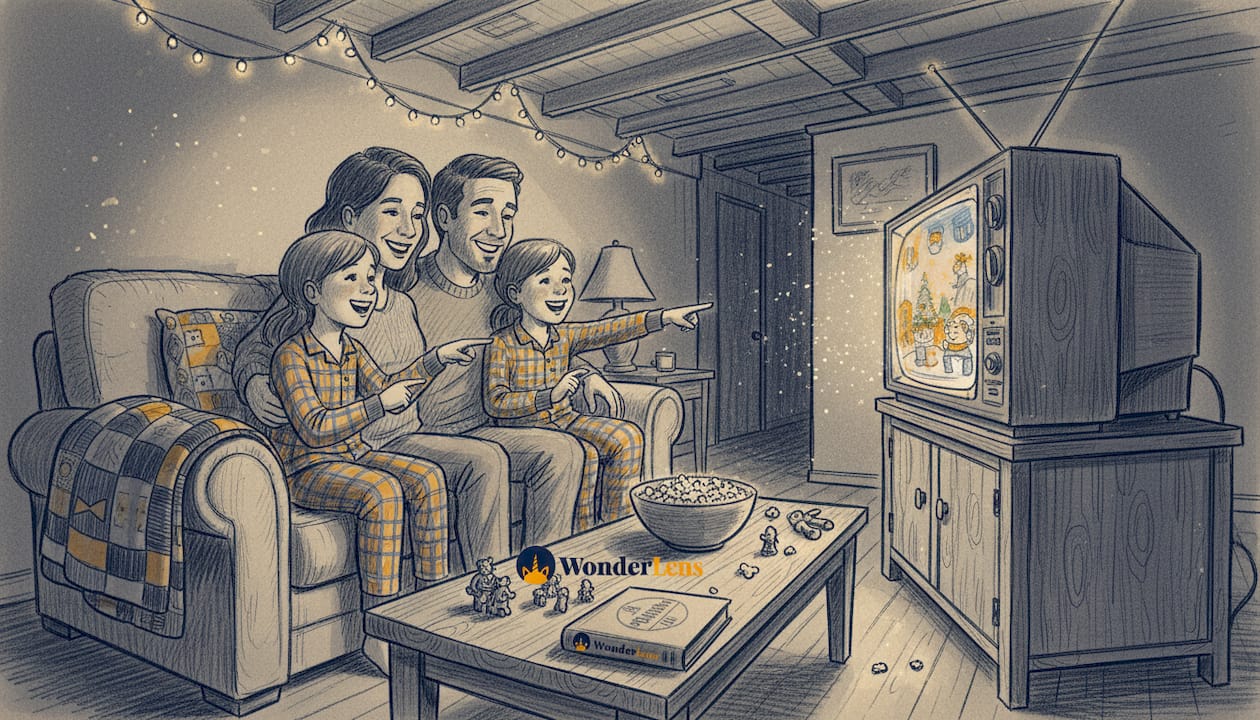
Emotionally resonant digital experiences intentionally guide users through emotional transitions, moving them from anticipation to surprise to delight to calm, rather than just delivering flashy visuals. For children especially, these emotional arcs are how memories form. The brain encodes moments that carry emotional significance far more deeply than neutral ones.
Here is how memorable digital experiences for kids compare to standard digital entertainment:
| Feature | Standard digital entertainment | Memorable digital experience |
|---|---|---|
| Visual quality | Often high | High, but secondary |
| Emotional arc | Random or passive | Intentionally designed |
| Personalization | None or minimal | Central to the experience |
| Parental involvement | Low | Encouraged and guided |
| Recall after one week | Low | High |
| Tradition potential | Very low | Very high |
The elements that actually make a digital moment stick with a child include:
- Emotional surprise: Something unexpected that makes their jaw drop
- Personal connection: The experience feels made just for them
- Shared joy: A parent or caregiver experiencing the magic alongside them
- Story arc: A beginning, a middle, and a satisfying end
- Sensory realism: Lighting, shadow, and movement that feel believable
"Memorable digital experiences are not the ones with the most features. They are the ones that make a child feel like the magic was made just for them."
When you focus on creating digital memories with these principles in mind, you shift from passive screen time to genuine family storytelling. And that shift has real value for families that goes far beyond the holiday season.
Personalization: The heart of memorable digital moments
Once the emotional value of a digital experience is clear, the next question for parents is: how do you actually make those moments truly unforgettable for your child?
The answer is personalization. When a digital experience speaks directly to your child, using their environment, their name, or the familiar details of your home, it stops being content and becomes their story. That shift from "something we watched" to "something that happened to us" is everything.
Research on parent-facing digital interventions consistently shows that personalization and engagement tactics dramatically improve how families interact with and remember digital content. The key is not just adding a name to a template. It is creating experiences where the child feels genuinely seen.
For holiday digital experiences specifically, combining personalization with emotionally positive storytelling and guided engagement is the most effective formula. A personalized Christmas story where Santa mentions your child's favorite toy is sweet. A video of Santa standing in your actual living room, next to your actual couch, casting a real shadow on your floor? That is unforgettable.
Here is a practical breakdown of what different levels of personalization look like and how they affect a child's experience:
| Personalization level | Example | Emotional impact |
|---|---|---|
| None | Generic holiday cartoon | Low |
| Name-only | "Hi Emma, Merry Christmas!" | Moderate |
| Story-based | Character mentions child's wish list | High |
| Environment-based | Character appears in your home | Very high |
| Layered (name + environment + story) | Santa walks your hallway, mentions Emma | Exceptional |
To start adding real personalization to your family's digital traditions, follow these steps:
- Start with your child's world. Notice what characters, colors, and stories they love right now. Build the experience around those details, not generic holiday themes.
- Use your physical space. A character that appears in your actual home, not a generic background, creates an instant sense of reality. Children trust what they recognize.
- Layer in familiar details. Reference your family's traditions. Santa knows about the cookies you left. The Easter Bunny hid an egg near the blue chair. These details transform content into memory.
- Involve your child before and after. Build anticipation beforehand and revisit the moment together afterward. The conversation surrounding the experience deepens the recall.
- Repeat intentionally. The first time is magic. The tenth annual tradition is legacy.
Pro Tip: Take a photo of your living room or child's bedroom during holiday setup, before any decorations are moved. That specific setting, captured at the right moment, becomes the backdrop for a personalized animated video that feels genuinely real.
Personalized animated videos built around your family's actual environment give children something no generic content can: the feeling that magic chose them. And when you add animated characters to photos from your own home, that sense of personal magic becomes a keepsake your family can revisit for years.
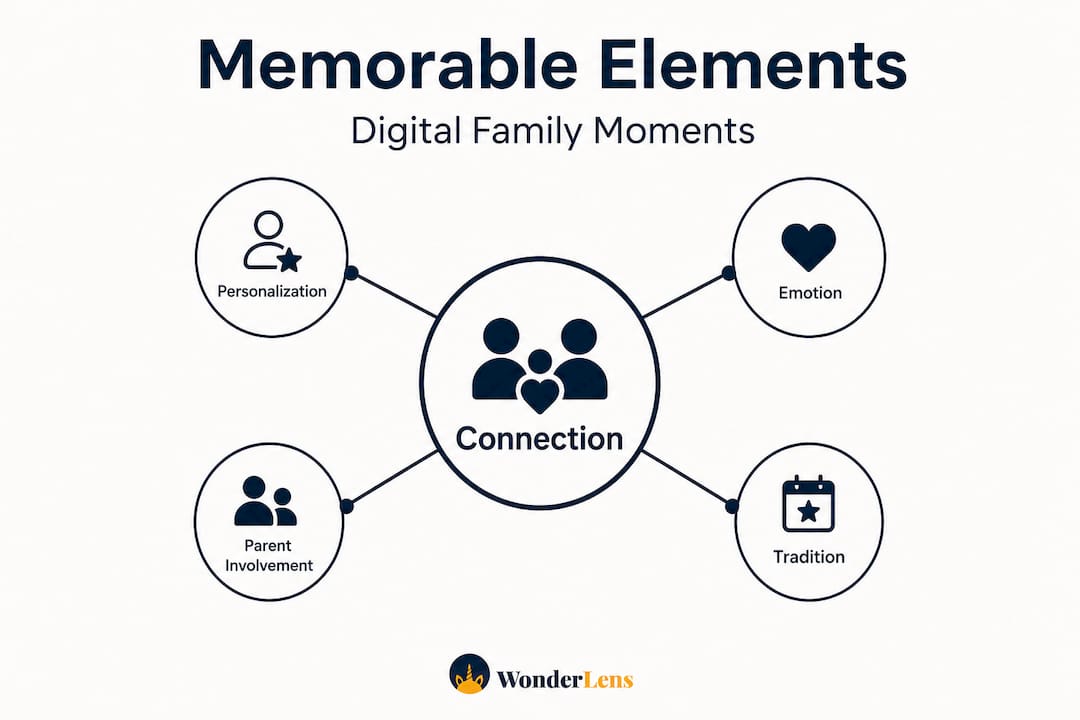
The importance of emotional guidance and parental involvement
Having explored how personalization and emotional resonance create recall, let's turn to how parents can ensure that "memorable" also means positive, supporting growth rather than just entertainment.
One of the most important factors in whether a digital experience becomes a lasting memory is whether a parent was present during it. Not just physically nearby, but engaged, reacting, pointing, laughing, and asking questions. Co-viewing transforms a passive screen moment into a shared emotional event. And shared emotional events are what children remember.
Empirical research shows that parents strongly manage young children's screen time, and that intentional, guided use is far more beneficial than passive or unbounded consumption. The goal is not to eliminate screens but to fill screen time with purpose.
The most effective way to do that is to think about the emotional arc of the experience before you press play. Ask yourself:
- What do I want my child to feel first? Anticipation is powerful. Build it with a simple setup. "I heard there might be a visitor in the living room tonight."
- What is the moment of peak delight? Make sure you are watching your child's face when it happens. Your reaction to their reaction doubles the magic.
- How does it end? A calm, warm ending, like Santa waving goodbye with a soft golden glow, gives children the emotional landing they need to process the experience positively.
- What do we talk about afterward? Ask open questions. "What did you think Santa was looking at?" helps a child reprocess and solidify the memory.
- How do we bring it back? Reference the moment in the days and weeks after. "Remember when we saw Santa in the hallway?" keeps the memory warm and alive.
A well-designed emotional transitions framework moves from anticipation to delight to calm, with personalization that feels earned. Verify impact through parent and child feedback rather than relying on aesthetics alone.
This approach also helps parents feel confident they are using screen time well. When digital moments are built around emotional arcs and shared rituals, they feel purposeful rather than passive. Check out holiday magic best practices for specific ideas on staging these moments across different celebrations.
Pro Tip: After watching a magical animated video with your child, ask them to draw what they saw or describe it to a sibling. This simple act cements the memory and gives you incredible insight into what resonated most with them, so you can build even better experiences next time.
You will find even more creative ways to use animated memories that go beyond a single watch, turning one magical moment into multiple touchpoints of joy throughout the holiday season.
From holiday magic to family traditions: Turning moments into memories
Now that you know what makes an experience memorable and healthy, it is time to turn theory into practical steps for your own family, especially during holidays, when these moments matter most.
The secret to turning a single magical digital moment into a lasting family tradition is repetition with variation. Your child needs to know it is coming every year. But it also needs to feel fresh and personal each time. That combination creates something deeply powerful: anticipation as a tradition in itself.
Combining personalization with emotionally positive storytelling and guided engagement is the proven formula for digital experiences that become beloved annual rituals. Here is how to build that into your family's year:
- Create an annual animated holiday video. Each year, take a new photo of your living room decorated for the season and generate a new video with a holiday character visiting your updated space. Children notice the details changing, and that continuity builds tradition.
- Build a digital keepsake album. Save each year's video in one dedicated folder or digital album. Watching "Santa 2023, Santa 2024, Santa 2025" together on Christmas Eve becomes its own beloved ritual.
- Create a pre-video ritual. Turn the moment into an event. Dim the lights, make hot chocolate, gather on the couch together. The physical ritual surrounding the digital moment amplifies its emotional weight.
- Let older children in on the magic. As kids grow, they can help set up the photo for a younger sibling's video. This gives them a new role while keeping the magic alive in the family.
- Extend beyond Christmas. Easter animations, birthday surprises with fantasy characters like unicorns or fairies, or a dragon appearing in the backyard for a summer adventure all become unique family touchstones.
"The rituals families build around holidays shape children's emotional vocabulary for wonder. When a child knows that something magical happens every year in their own home, they grow up believing that delight is something they can expect and share."
Explore how AI Christmas videos can anchor your family's holiday season, or learn more about how Santa animations specifically enhance the Christmas experience for young children. For a broader view, browse holiday moments and rituals that families use to build joy-filled annual traditions.
Perspective: Why genuine emotional connection is the real magic in digital experiences
Most families assume that the most impressive technology makes the most memorable experience. A flashier animation, a longer video, more characters on screen. In practice, the opposite is often true.
The families who build lasting digital traditions are not the ones using the most complex tools. They are the ones who use simple, emotionally targeted moments and wrap them in presence, warmth, and repetition. A 10-second video of Santa walking through your living room, seen for the first time with a parent sitting right beside you, outperforms a 30-minute holiday special watched on a tablet alone.
We have seen this pattern clearly through how families engage with fantasy characters for family memories. The magic is not in the character. It is in the look on your child's face, in the gasp, in the "Mom, did you see that?!" Those moments only happen when the experience feels personal and real, and when you are there to share them.
Here is the uncomfortable truth: quick-hit digital content rarely becomes a tradition. It entertains for a moment and is forgotten by Tuesday. What becomes a tradition is the thing your child asks for again, the thing they tell their friends about, the thing they want to recreate with their own children someday. That level of recall only comes from emotional depth, not from novelty.
Our recommendation is simple. Focus on feelings first. Ask what you want your child to feel, not just see. Then choose technology that serves that emotional goal with realism and personalization. The investment of a few minutes to set up a genuinely personal magical moment pays dividends in memories that last decades.
Bring magical, memorable digital traditions to your home
Now that you know the ingredients of truly memorable family experiences, here is how you can bring that magic to life with tools designed for joyful, repeatable memories.
WonderLens is built for exactly this. Upload a photo of your home, choose a beloved holiday character, and watch a cinematic AI-generated video place that character inside your actual living space, with realistic shadows, lighting, and movement that make it feel completely real.
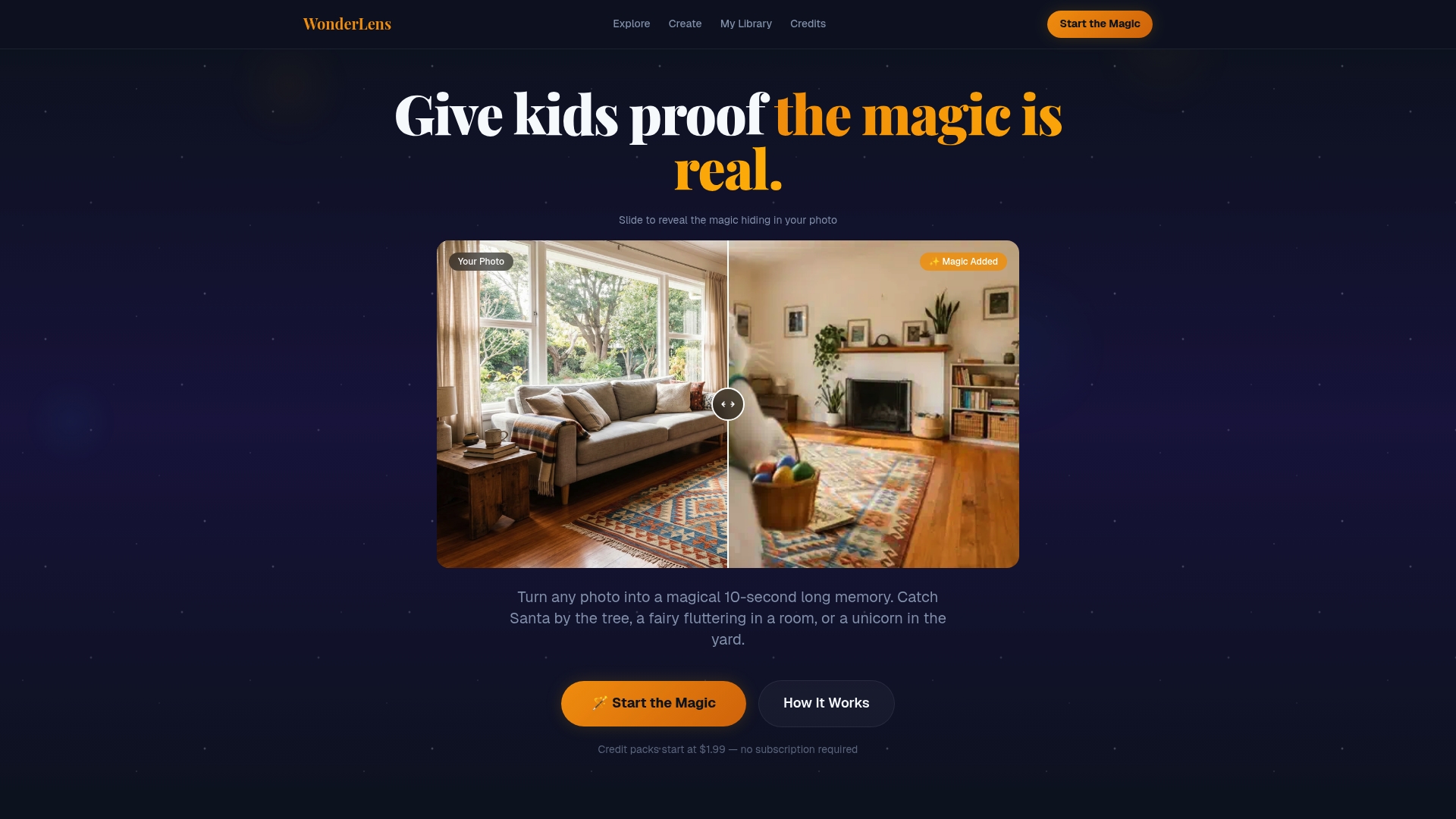
From Santa walking through your living room on Christmas Eve to a unicorn appearing in your child's bedroom for a birthday surprise, every video is uniquely yours. Starting at just $1.99 per video, it is one of the simplest ways to start a tradition that your family will ask for every single year. Visit WonderLens to create your first magical memory today and discover just how wide those little eyes can get.
Frequently asked questions
What are the key elements of a memorable digital experience for young kids?
Personalization, emotional storytelling, and guided parental involvement are the foundation for memorable digital moments. Combining these three elements with a clear emotional arc transforms a simple video into a lasting family memory.
How can parents balance screen time with meaningful digital experiences?
Set clear boundaries, choose interactive content, and participate with your child to make screen use intentional and memorable. Research consistently shows that guided, intentional use is what separates meaningful screen time from passive consumption.
Why is emotional connection important in digital family traditions?
Emotional connection leads to deeper recall, positive feelings, and helps digital moments become lasting family rituals. Emotionally resonant experiences guide children through intentional emotional transitions rather than simply delivering visual stimulation.
What role does personalization play in making digital holidays special?
Personalization makes each child feel seen and valued, transforming a generic animation into a unique family memory. Parent-facing digital research shows that personalized engagement dramatically improves how children recall and connect with digital content.
Recommended
- Why create magical memories? Real value for your family — WonderLens | WonderLens
- Create Cinematic Digital Memories for Kids: A Parent's Guide — WonderLens | WonderLens
- Why Magical Videos Make Holiday Memories Last for Children — WonderLens | WonderLens
- 10 Magical Memories to Create With Personalized Animated Videos — WonderLens | WonderLens